How to Use Naver Maps in Korea: Your Essential English Guide | KoreaSpots
Picture this: You've just watched your favorite K-drama star savoring a mouth-watering bowl of budae jjigae in a cozy, bustling eatery. Your heart aches to try that exact dish, at that exact spot, when you finally land in Seoul. You pull out your trusty global map app, type in the restaurant name, and… nothing. Or worse, it leads you to a completely different place!
Sound familiar? If you're planning your dream trip to Korea, hoping to explore the authentic food spots and hidden gems verified by shows like Saengsaeng Jeongbotong, Saengsong Today, or Yuksi Naegohyang, then you need to ditch your usual mapping app. In Korea, there's only one true navigation king, and its name is Naver Maps.
Welcome to KoreaSpots, your ultimate guide to unlocking Korea's most delicious secrets and picturesque locales, just like the locals do! For first-time visitors or even returning travelers, mastering Naver Maps (네이버 지도) is as essential as packing your passport. It's the secret weapon that will take you from a confused tourist to a confident explorer, pinpointing those exact restaurants and cafes featured on your favorite K-TV shows.
Ready to navigate Korea like a pro? Let's dive into this beginner-friendly English guide to Naver Maps!
Why Naver Maps is Your Korea Travel MVP (Most Valuable Planner)
You might be wondering, "Can't I just use Google Maps?" While Google Maps is a global powerhouse, its performance in South Korea is significantly limited due to national security regulations concerning mapping data. This means public transport routes are often inaccurate or incomplete, walking directions can be wonky, and real-time traffic updates are practically non-existent.
Naver Maps, on the other hand, is built for Korea, by Koreans. It boasts unparalleled accuracy, real-time public transport information, detailed street views, and a wealth of local data that international apps simply can't match. It's how every local finds their way around, discovers new eateries, and avoids traffic.
Naver Maps vs. Other Apps: A Quick Look
Feature
Naver Maps
Google Maps (in Korea)
Kakao Maps
Accuracy (Korean Data)
Excellent
Poor/Limited
Excellent
Public Transport Info
Excellent (real-time)
Poor/Incomplete
Excellent (real-time)
English Language Support
Good
N/A (Limited functionality makes it moot)
Good
Street View (로드뷰)
Excellent
Limited
Excellent
Local Business Listings
Comprehensive & detailed
Limited & often outdated
Comprehensive & detailed
K-TV Show Spots
Easy to find (with correct search)
Extremely difficult
Easy to find (with correct search)
While Kakao Maps is also a strong contender, Naver Maps often has a slight edge in its user interface and integration with other Naver services (like Naver Blog reviews), making it a great starting point for K-pop and K-drama fans seeking verified spots.
Getting Started: Your First Steps with Naver MapsKorea Tourism Organization
Step 1: Download the App (Before You Go!)
Search for "Naver Map" in your phone's app store (Google Play Store for Android, Apple App Store for iOS). Download it while you still have reliable Wi-Fi. The app icon is a distinctive green square with a white compass-like symbol.
Step 2: Switch to English (For Sanity's Sake!)
When you first open the app, it might default to Korean. Don't panic! Here's how to switch to English:
Tap the "Menu" icon (usually three horizontal lines or a gear/settings icon) in the top-left or top-right corner.
Look for a settings icon (a cogwheel) or text that says "설정" (seol-jeong, meaning settings).
In the settings menu, find "언어 설정" (eon-eo seol-jeong, meaning language settings) or "Language" directly.
Select "English". The app will reload in English, and you're good to go!
Step 3: Consider Logging In (Optional, but Recommended)
You can use Naver Maps without logging in, but creating a Naver account (or logging in if you already have one) allows you to:
Save your favorite places.
Create custom travel routes.
Sync your data across devices.
Leave reviews and contribute photos (if you feel adventurous!).
Creating a Naver account can be a bit tricky for foreigners due to phone verification requirements, but it's not strictly necessary for basic navigation.
Navigating Like a Local: Finding Your Way Around
Step 4: Searching for Your Destination (English or Korean)
The search bar is your best friend. Tap it at the top of the screen. You can type in:
English Names: "Myeongdong", "Gyeongbokgung Palace", "Seoul Tower". Naver Maps is excellent at recognizing major landmarks and popular areas in English.
Specific Restaurant Names: If you know the restaurant's name, type it in English. For example, "Myeongdong Kyoja" or "Gwangjang Market Bindaetteok".
Korean Names: If you have the Korean name (e.g., from a blog or TV show screenshot), you can type it in! This is often the most accurate way to find less famous spots or specific branches.
Addresses: If you have a specific Korean address, input it. Naver Maps handles Korean addresses flawlessly.
Step 5: Understanding Your Route Options
Once you've searched for a destination, Naver Maps will present various route options:
Public Transport (대중교통 - daejunggyotong): This is usually the default and most efficient option in cities. It shows you subway lines, bus routes, transfer points, estimated travel time, and even specific bus stop numbers. You'll see real-time bus arrival information and subway train schedules.
Walking (도보 - dobo): Great for exploring neighborhoods or short distances. It provides detailed walking paths, estimated time, and elevation changes.
Car (자동차 - jadongcha): Useful if you're driving, offering real-time traffic updates and estimated drive times.
Bicycle (자전거 - jajeongeo): For the adventurous cyclist, showing bike paths and routes.
Pro Tip: Always look at the detailed steps for public transport. It will tell you which exit to use from a subway station – a lifesaver in huge stations like Seoul Station or Gangnam Station!
Step 6: Saving Your Favorite Spots (Bookmarks)
Found that incredible jjimdak place from Saengsong Today? Want to remember that cute cafe in Hongdae? Tap the "star" or "bookmark" icon when viewing a place's details. You can categorize them (e.g., "Must-Eat," "K-Drama Filming Locations"). These saved spots will appear on your map and in your "My Places" list (if you're logged in).
Hunting Down K-TV Verified Spots: Your Naver Maps StrategyKorea Tourism Organization
This is where Naver Maps truly shines for KoreaSpots readers! Many of the authentic eateries featured on shows like Saengsaeng Jeongbotong, Yuksi Naegohyang, or Saengsong Today are beloved local haunts, not necessarily tourist traps.
Let's say you saw a segment on Yuksi Naegohyang about a fantastic Ganjang Gejang (soy-marinated raw crab) restaurant in Sinsa-dong. Here's how Naver Maps helps:
Get the Name: Try to find the restaurant's name (in English or Korean) from the TV show's website, a fan blog, or a screenshot. For example, "Pro Ganjang Gejang" (프로간장게장).
Search in Naver Maps: Type "Pro Ganjang Gejang" into the search bar. Naver Maps will likely bring up the correct result. If it's a popular chain, specify the neighborhood, e.g., "Pro Ganjang Gejang Sinsa-dong."
Verify Details: Once you've selected the restaurant, check its details:
Address: Double-check the address.
Operating Hours (영업시간 - yeongeop sigan): Crucial! Many local eateries have specific opening and closing times, often with a break in the afternoon (브레이크 타임 - break time).
Reviews & Photos (리뷰/사진 - ribyu/sajin): Browse through user-submitted photos to see the menu, interior, and actual dishes. This is often where you'll find hints about what to order!
Menu (메뉴 - menyu): Some listings include menu photos. While often in Korean, you can use Google Translate's camera function to get a rough idea.
Get Directions: Once confirmed, tap "Directions" and choose your preferred mode of transport. Off you go to taste that Saengsaeng Jeongbotong-approved deliciousness!
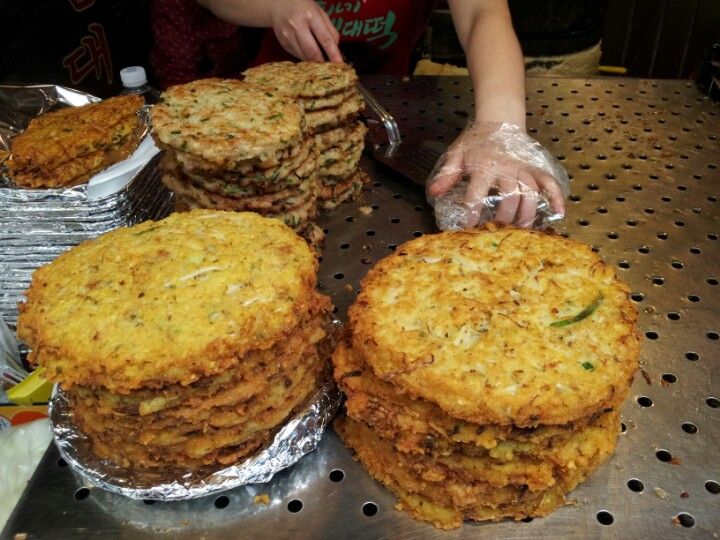
This iconic market food is often featured on TV. You can simply search "Gwangjang Market" to navigate to the market itself. Once there, type "Bindaetteok" (빈대떡) into the Naver Maps search, and it will show you the various stalls within the market. Pinpoint one with good reviews, like "Soonhee Ne Bindaetteok" (순희네 빈대떡), and follow the walking directions right to it!
Essential Practical Tips for Naver Maps Success
Data Connection is Key: Naver Maps requires an active internet connection for real-time updates. Make sure you have an eSIM, local SIM card, or a reliable pocket Wi-Fi device. Data in Korea is generally affordable and widely available.
Battery Drainer: Like any GPS-intensive app, Naver Maps can drain your phone battery quickly. Carry a portable power bank, especially for full days of exploring.
T-Money Card: While Naver Maps helps you navigate public transport, you'll need a T-Money card (or a credit card with T-Money function) to pay for subways and buses. Purchase one at convenience stores (CU, GS25, 7-Eleven) and load it up!
"Street View" (로드뷰 - Rodeu Byu): This feature is incredibly useful. When viewing a location, look for the "Street View" icon (often a small camera or car icon). It lets you virtually walk down the street to recognize landmarks and make sure you're headed to the right building. This is invaluable for finding specific storefronts!
Pin Dropping: If you spot something interesting or get off track, long-press on the map to drop a pin. You can then get directions from or to that pin.
Unleash Your Inner Explorer with Naver Maps!
With Naver Maps in your pocket, you're not just a tourist anymore; you're an informed traveler ready to uncover the true flavors and hidden corners of Korea. From tracking down that specific tteokbokki stall Saengsong Today raved about in Sinchon to finding the quickest way to your K-pop concert venue in Gangnam, Naver Maps is your ultimate co-pilot.
So, download it, familiarize yourself with it, and get ready to create your own unforgettable Korean adventure, powered by the most reliable local guide!
💡 AI Travel Tip
Boost your Naver Maps experience and trip planning by leveraging AI tools! Here's how to use AI to find those K-TV verified spots and plan your routes efficiently:
Find Restaurant Names from TV Shows: If you're struggling to identify the restaurant name from a K-TV show clip or screenshot, use an AI image recognition tool or descriptive prompt.
Prompt example: "I watched a clip from Saengsaeng Jeongbotong where they featured a restaurant serving [describe dish, e.g., 'spicy seafood noodles with a very red broth'] in [describe neighborhood, e.g., 'a busy market area near a subway station with green line']. The restaurant had a sign that looked like [describe visual elements if possible]. What could be the name of this restaurant? Give me the Korean and English names."
Optimize Your Itinerary with Naver Maps Integration: Once you have a list of places, use AI to help organize them logistically, then plug them into Naver Maps.
Prompt example: "I want to visit [Restaurant A in Myeongdong], [Cafe B in Hongdae], and [Gyeongbokgung Palace]. I will be staying near [Seoul Station]. Help me create a logical half-day itinerary, including estimated travel times between each location using public transport, assuming I start at 9 AM. Suggest the best order to visit these places for efficiency." (Then, verify these routes and times directly in Naver Maps.)
Translate Complex Korean Reviews: If Naver Maps' built-in translation isn't cutting it for a detailed review, copy the Korean text into an AI translator for a more nuanced understanding.
Prompt example: "Translate this Korean restaurant review into English, focusing on key recommendations for dishes and atmosphere: [paste Korean text here]."
Ever watched your favorite K-drama characters gather around a sizzling grill, smoke curling up, laughter echoing, and a spread of mouth-watering meat and colorful side dishes filling the screen? If you’ve thought, "I NEED THAT IN MY LIFE," then you’re in the right place, my fellow K-fan!
Korean BBQ isn't just a meal; it's a social event, a culinary adventure, and an absolute must-do for anyone visiting Seoul. It’s where stories are shared, friendships are forged, and sometimes, where the drama truly unfolds (onscreen and off!). But with so many BBQ joints in Seoul, how do you find the really authentic, truly delicious ones that aren't just tourist traps?
That’s where KoreaSpots comes in! We’ve scoured the city, not just based on trendy reviews, but by looking to the ultimate authorities: Korea’s beloved TV shows. Think of shows like Saengsaeng Jeongbotong, Saengsong Today, and Yuksi Naegohyang. These programs are famous for discovering hidden gems and showcasing legendary eateries, often focusing on quality ingredients, unique cooking methods, and spots deeply loved by locals. When a restaurant gets featured on one of these shows, you know it’s the real deal!
So, grab your imaginary chopsticks, because we’re diving into the best Korean BBQ spots in Seoul, verified by the very TV shows that Koreans trust for their food recommendations!
1. Hanam Pig House (하남돼지집) – The Pork Master
If you ask a Korean local for a consistently excellent pork BBQ experience, Hanam Pig House is a name you’ll hear often. This popular chain has built its reputation on serving premium pork, expertly grilled to perfection by their staff. Forget the days of awkwardly flipping meat yourself; here, you just relax, chat, and watch the magic happen!
What makes it special?
Expert Grilling: The staff cook the meat for you on a separate grill, ensuring every piece is perfectly cooked and juicy, then transfer it to your table's grill to keep warm. This means less stress and more enjoyment for you!
Premium Pork: They source high-quality, fresh domestic pork (돼지고기), offering cuts like samgyeopsal (pork belly), moksal (pork neck), and galmaegisal (pork skirt meat).
Kimchi and Myeongiso: Don’t miss grilling their delicious kimchi alongside your meat, and try wrapping your pork in their unique myeongiso (Korean perilla leaves pickled in soy sauce) for an unforgettable flavor burst.
Verified by: Saengsaeng Jeongbotong
Known for its detailed features on local businesses and culinary masters, Saengsaeng Jeongbotong highlighted Hanam Pig House for its commitment to quality pork and its unique, table-side grilling service that guarantees a perfect dining experience every time.
What to Order:
Modum Hanpan (모듬 한판): A platter featuring a selection of their most popular pork cuts. Perfect for trying a bit of everything!
Kimchi Jjigae (김치찌개): A classic spicy kimchi stew that’s the perfect complement to rich BBQ.
Practical Tips:
Neighborhood: Multiple locations across Seoul (e.g., Gangnam, Hongdae, Myeongdong). The Gangnam branch is easily accessible.
How to Get There: For the Gangnam branch, take Seoul Subway Line 2 or Shinbundang Line to Gangnam Station. Use Exit 11 or 12 and it’s a short walk.
Price Range: ₩₩ (Around ₩15,000-₩20,000 per serving of meat).
Best Time to Visit: Weekday evenings tend to be busy. For a slightly quieter experience, try lunch or early dinner (before 6 PM).
If you're a beef lover, prepare to be amazed. Daedo Sikdang is a timeless institution, famous for its incredible Hanwoo (Korean domestic beef), particularly its succulent sirloin. This isn't your everyday BBQ; it's an experience rooted in tradition and quality that has kept generations of Seoulites coming back for more.
What makes it special?
Premium Hanwoo Sirloin: They specialize almost exclusively in a thick-cut Hanwoo sirloin (등심), known for its marbling and melt-in-your-mouth tenderness.
Unique Grill: The meat is cooked on a cast-iron griddle, allowing the beef fat to render and flavor the kimchi and potatoes cooked alongside it.
Old-School Vibe: The interior has a charming, no-frills, traditional atmosphere that transports you back in time.
Verified by: Saengsong Today
Saengsong Today, which often features unique culinary traditions and long-standing establishments, shone a spotlight on Daedo Sikdang for its unwavering commitment to high-grade Hanwoo and its distinct grilling method that has perfected the art of beef BBQ over decades.
What to Order:
Hanwoo Deungsim (한우 등심): Their signature sirloin is a must. Order several servings!
Bokkeumbap (볶음밥): After you've enjoyed your beef, ask them to make bokkeumbap using the leftover rendered fat and juices on the griddle. It's legendary!
Practical Tips:
Neighborhood: Wangsimni (왕십리). The original branch is iconic.
How to Get There: Take Seoul Subway Line 2 or 5 to Wangsimni Station. Exit 6 and it’s about a 10-15 minute walk, or a short taxi ride.
Price Range: ₩₩₩ (Hanwoo beef is pricey, expect ₩40,000+ per serving). It's worth it for the quality!
Best Time to Visit: It gets very busy during dinner hours. Try to go for a late lunch or early dinner to avoid the longest queues.
3. Palsaek Samgyeopsal (팔색삼겹살) – The Eight Flavors Adventure
Ready for a unique twist on the classic pork belly? Palsaek Samgyeopsal (which literally means "Eight Colors Pork Belly") offers an exciting tasting journey, where you get to sample samgyeopsal marinated in eight distinct flavors. It’s a fun, interactive, and incredibly flavorful experience perfect for sharing with friends!
What makes it special?
Eight Flavor Marathon: You get a rainbow of pork belly, each marinated in a different flavor: ginseng, wine, pine needles, garlic, herb, curry, miso paste, and gochujang (spicy paste).
Generous Set Menu: Their signature set usually includes a pot of seafood soybean paste stew (해물된장찌개) and a vibrant array of fresh vegetables for ssam (wraps).
Lively Atmosphere: It’s a vibrant, often bustling spot, great for soaking in the lively Korean dining culture.
Verified by: Yuksi Naegohyang
Yuksi Naegohyang, known for showcasing local specialties and unique culinary concepts, featured Palsaek Samgyeopsal for its innovative approach to samgyeopsal and its vibrant, flavorful menu that offers a truly memorable dining experience.
What to Order:
Palsaek Samgyeopsal Set (팔색삼겹살 세트): This is what you come for! The full eight-flavor experience.
Kimchi Bokkeumbap (김치볶음밥): If you still have room after all that pork, ask them to make some fried rice with kimchi on the grill.
Practical Tips:
Neighborhood: Multiple locations, with popular branches in Sinchon (신촌) and Dongdaemun (동대문).
How to Get There: For Sinchon, take Seoul Subway Line 2 to Sinchon Station. Use Exit 6 and it’s a short walk into the bustling area.
Price Range: ₩₩ (Expect around ₩30,000-₩40,000 for a set good for 2-3 people).
Best Time to Visit: A great choice for dinner with friends. It can get busy, but the turnover is usually quick.
Comparing Seoul's Best TV-Verified BBQ SpotsKorea Tourism Organization
Legendary Hanwoo Sirloin (Deungsim), Traditional Grill
Saengsong Today
₩40,000 - ₩60,000+
Wangsimni
Palsaek Samgyeopsal
Eight-Flavor Pork Belly Set, Seafood Stew
Yuksi Naegohyang
₩15,000 - ₩25,000
Sinchon, Dongdaemun (multiple)
Your Korean BBQ Etiquette Guide!
To fully enjoy your BBQ experience, here are a few quick tips:
Share! BBQ is always a communal meal. Order different cuts and share with your group.
Ssam It Up: Grab a lettuce leaf (or perilla leaf), add a piece of cooked meat, a bit of kimchi, a dab of ssamjang (spicy dipping sauce), garlic, and maybe some grilled mushrooms. Wrap it up and eat it in one bite!
Don't Be Shy: Most places have tongs and scissors for cutting meat. It’s perfectly normal to cut your meat into bite-sized pieces at the table.
Side Dishes are Free: Banchan (반찬), the small side dishes, are usually refillable for free. Don’t hesitate to ask for more!
Soju or Beer? Many enjoy Korean BBQ with a bottle of soju (소주) or beer (맥주), or a mix of both called "Somaek" (소맥).
Fried Rice Finish: At many places, after you’ve eaten most of your meat, you can ask them to make bokkeumbap (fried rice) on the grill with the leftover juices. It’s heavenly!
There you have it, K-fans! Three incredible Korean BBQ spots in Seoul, hand-picked and TV-verified for an authentic, unforgettable dining experience. Whether you’re craving premium pork, legendary Hanwoo beef, or a flavorful adventure with eight kinds of samgyeopsal, these places will transport you right into your favorite K-drama scene.
So, on your next trip to Seoul, don't just watch the K-drama magic unfold on screen – taste it yourself! Happy grilling!
💡 AI Travel Tip
Planning your K-BBQ adventure just got easier with AI! Use these prompts to streamline your trip planning:
Finding the Best Route: Need to get to Hanam Pig House in Gangnam from your hotel in Myeongdong?
Prompt example: "Give me detailed public transportation directions from Myeongdong Station to Hanam Pig House Gangnam branch, including subway lines, exits, and estimated travel time. I will be traveling at 7 PM on a Tuesday."
Dietary Restrictions & Menu Help: If you have allergies or dietary needs, or just want to understand the menu better.
Prompt example: "Translate the key menu items for Palsaek Samgyeopsal (Sinchon branch) into English and list any common allergens present in their popular dishes like the eight-flavor samgyeopsal set or seafood soybean paste stew."
Local Etiquette & Phrases: Want to sound like a local when ordering or asking for refills?
Prompt example: "What are some essential Korean phrases I can use when dining at a Korean BBQ restaurant, such as asking for more banchan, ordering soju, or complimenting the food?"
Comparing Options: Trying to decide between two spots based on specific criteria?
Prompt example: "Compare Daedo Sikdang and Hanam Pig House based on typical cost for two people, likelihood of needing a reservation, and general atmosphere (lively vs. traditional)."
Ever found yourself watching your favorite K-drama, utterly captivated not just by the thrilling plot twists and heartwarming romances, but by the delicious food constantly gracing the screen? You’re not alone! From sizzling BBQ to comforting stews and vibrant street snacks, Korean food is a star in its own right, practically a character you want to meet!
As K-drama and K-pop fans, you’ve seen it all: leads devouring giant bowls of Jajangmyeon, friends sharing a sizzling plate of Samgyeopsal, or characters finding solace in a warm bowl of Kimchi Jjigae on a rainy day. Now, imagine yourself right there, tasting those very dishes in Korea!
Here at KoreaSpots, we're dedicated to helping you discover authentic Korean food and travel gems, just like the ones featured on popular Korean TV shows like Saengsaeng Jeongbotong, Saengsong Today, and Yuksi Naegohyang. For your very first trip to Korea, let's dive into the top 10 iconic dishes that are not just K-drama staples, but absolute must-tries for an unforgettable culinary adventure.
Top 10 Korean Dishes Every K-Drama Fan Must Try on Their First Visit
1. Tteokbokki (Spicy Rice Cakes)
The quintessential Korean street food, Tteokbokki is everywhere in K-dramas, from high school romance scenes to late-night comfort food binges. These chewy rice cakes, fish cakes, and sometimes boiled eggs are swimming in a vibrant, sweet, and spicy gochujang (chili paste) sauce. It's an explosion of flavor and texture that perfectly embodies the energetic spirit of Korean street food.
What to order: Classic Tteokbokki, or try "Rabokki" which includes ramyeon (instant noodles) for extra carbs!
Where to find it: Myeongdong's bustling street food stalls are a great starting point. For a dedicated experience, head to Sindang-dong Tteokbokki Town, famed for its customizable, cook-at-your-table versions, often featured on shows like Saengsong Today.
Price Range: ₩4,000 - ₩10,000 per serving (street food), ₩15,000 - ₩30,000 for a pot at a specialty restaurant.
KoreaSpots Tip: Don't be afraid to try it even if you're sensitive to spice! Many places offer milder versions, or you can balance the heat with some cooling Gimbap.
2. Kimchi Jjigae (Kimchi Stew)
The ultimate Korean comfort food, Kimchi Jjigae is a staple in virtually every K-drama home kitchen and restaurant. This bubbling hot stew made with fermented kimchi, tofu, pork (or tuna), and vegetables is hearty, savory, and deeply satisfying. It's the perfect dish to warm you up on a chilly day or after a long day of exploring.
What to order: The classic pork kimchi jjigae. It usually comes with a bowl of rice and various banchan (side dishes).
Where to find it: You can find excellent Kimchi Jjigae almost anywhere. Try "Gyeran Jjim" (steamed egg) as a side to balance the spice. Many traditional restaurants in areas like Bukchon Hanok Village or Insadong serve authentic versions. Keep an eye out for small, unassuming eateries – they often have the best ones, verified by locals and sometimes even by Saengsaeng Jeongbotong.
Price Range: ₩7,000 - ₩10,000 per serving.
KoreaSpots Tip: Mix your rice directly into the stew as you eat to soak up all that delicious broth!
3. Samgyeopsal (Grilled Pork Belly)
No K-drama food montage is complete without a scene of friends or colleagues gathered around a sizzling grill, cooking strips of Samgyeopsal. This experience isn't just about the food; it's about the communal joy of grilling, sharing, and wrapping savory pork belly with various accompaniments like garlic, kimchi, and ssamjang (spicy dipping sauce) in a fresh lettuce leaf. It’s an interactive feast!
What to order: Start with classic Samgyeopsal (pork belly). If you're feeling adventurous, try "Moksal" (pork neck) for a leaner cut.
Where to find it: Dongdaemun and Hongdae are packed with fantastic BBQ restaurants. "Wangbijib" in Myeongdong is a popular choice for tourists, and "Saemaul Sikdang" is a well-known chain for good value. You'll often see these popular spots bustling with activity, sometimes even with film crews for shows like Yuksi Naegohyang!
Price Range: ₩13,000 - ₩18,000 per serving (usually ordered in multiples of 2-3 for 2 people).
KoreaSpots Tip: Don't be shy! Use the provided scissors to cut the meat into bite-sized pieces, then wrap it in lettuce with kimchi, garlic, and ssamjang.
4. Jajangmyeon (Black Bean Noodles)
The iconic K-drama delivery food, Jajangmyeon is a deeply savory dish of thick wheat noodles tossed in a rich, dark sauce made from chunjang (black bean paste), diced pork, and vegetables. It’s the go-to celebratory meal, comfort food, or simply a delicious treat after a long day. If you’ve seen a character slurp noodles with gusto, it was probably Jajangmyeon!
What to order: The classic Jajangmyeon. For a slightly different experience, try "Gan Jajangmyeon," where the sauce is served separately and is usually thicker and richer.
Where to find it: Any Chinese-Korean restaurant ("Jajangmyeon Jip") will have it. Incheon's Chinatown is famous for its Jajangmyeon, offering historic restaurants that have perfected the dish over decades. Many local eateries featured on Saengsaeng Jeongbotong will serve excellent versions.
Price Range: ₩6,000 - ₩9,000 per bowl.
KoreaSpots Tip: Mix the black bean sauce thoroughly with the noodles before eating! Don't be afraid to get a little messy – it's part of the experience.
5. Bibimbap (Mixed Rice with Vegetables)
Visually stunning and incredibly healthy, Bibimbap is a colorful bowl of warm rice topped with sautéed vegetables (namul), seasoned meat (often beef), a fried egg, and a dollop of gochujang. "Bibim" means mixing, and "bap" means rice, so the fun part is mixing all the ingredients together to create a harmonious blend of flavors and textures.
What to order: Classic Bibimbap. For a unique twist, try "Dolsot Bibimbap," served in a sizzling hot stone pot that crisps the rice at the bottom.
Where to find it: Jeonju, the origin city of Bibimbap, boasts some of the best, but you can find fantastic versions in Seoul. Restaurants in Insadong or Myeongdong often cater to tourists. Many vegetarian-friendly options are also available. Look for certified restaurants that pride themselves on fresh ingredients, sometimes even highlighted on Saengsong Today.
Price Range: ₩8,000 - ₩15,000 per bowl.
KoreaSpots Tip: Adjust the amount of gochujang to your spice preference. And make sure to scrape the crispy rice from the bottom of the dolsot!
6. Chimaek (Fried Chicken & Beer)
Is there any K-drama fan who hasn't seen this iconic pairing? "Chimaek" (chicken + maekju/beer) is the ultimate Korean social food, perfect for late-night gatherings, celebratory moments, or just a casual evening with friends. Korean fried chicken is famous for its incredibly crispy exterior and juicy, tender interior, often coated in various delicious sauces.
What to order: Start with "Huraideu Chikin" (original fried chicken) or "Yangnyeom Chikin" (sweet and spicy). Don't forget the ice-cold beer!
Where to find it: Fried chicken restaurants are ubiquitous in Korea. Popular chains like Kyochon Chicken, BHC Chicken, and BBQ Chicken have locations everywhere, including bustling areas like Hongdae and Gangnam. You’ll see locals ordering from these very places, and they’ve even been taste-tested by food critics on shows like Yuksi Naegohyang!
Price Range: ₩18,000 - ₩25,000 for a whole chicken; beer prices vary.
KoreaSpots Tip: Order "banban" (half and half) to try two different flavors in one go!
7. Gimbap (Seaweed Rice Rolls)
Often dubbed "Korean sushi," Gimbap is so much more! These versatile rice rolls, filled with various ingredients like seasoned vegetables, egg, ham, and bulgogi, are wrapped in seaweed and sliced into bite-sized pieces. It’s the perfect grab-and-go snack, picnic food, or light meal seen everywhere from K-drama school cafeterias to scenic outdoor dates.
What to order: The classic "Original Gimbap." For something a bit heartier, try "Chungmu Gimbap" (smaller rolls with radish kimchi and spicy squid) or "Tuna Gimbap."
Where to find it: You can find Gimbap at almost any convenience store, street stall, or dedicated Gimbap shop like "Gimbap Cheonguk." Smaller, family-run places sometimes offer unique fillings, making them local favorites often highlighted on Saengsaeng Jeongbotong.
Price Range: ₩3,000 - ₩6,000 per roll.
KoreaSpots Tip: Gimbap is a fantastic budget-friendly option for a quick breakfast or lunch while you're on the go.
8. Sundubu Jjigae (Soft Tofu Stew)
Another beloved stew, Sundubu Jjigae is incredibly popular for its silky-smooth, uncurdled soft tofu cooked in a spicy broth with seafood, meat (often pork or beef), and an egg cracked into it right before serving. It’s comforting, warming, and the perfect contrast of soft tofu with a robust, flavorful broth. You'll see K-drama characters enjoying this often, especially when they need a hearty, flavorful meal.
What to order: "Haemul Sundubu" (seafood soft tofu stew) or "Gogi Sundubu" (meat soft tofu stew). Don't forget to break the raw egg into the stew while it's still bubbling!
Where to find it: Many restaurants specializing in stews will offer Sundubu Jjigae. Look for it in areas like Gangnam or near university districts. "Bukchon Son Mandu" (known for dumplings but also excellent stews) is a good option. Some of the most authentic spots are often smaller, local eateries praised on shows like Saengsong Today.
Price Range: ₩8,000 - ₩12,000 per serving.
KoreaSpots Tip: For extra flavor, add some of the side dishes (like seaweed or kimchi) to your rice and eat it with the stew.
9. Bulgogi (Marinated Sliced Beef)
Bulgogi, meaning "fire meat," is one of Korea's most famous dishes globally and a common sight in K-drama family dinners or celebratory meals. Thinly sliced beef (or sometimes pork) is marinated in a savory-sweet soy sauce mixture with garlic, ginger, and sesame oil, then grilled or pan-fried. It's incredibly tender, flavorful, and generally less spicy, making it a great option for those new to Korean cuisine.
What to order: Classic Beef Bulgogi. It's often served with rice and lettuce wraps, similar to Samgyeopsal.
Where to find it: High-end BBQ restaurants in Gangnam like "Byeokje Galbi" are famous for their quality, but you can find delicious Bulgogi at various price points. Many traditional Korean restaurants in Insadong or Seorae Village also serve excellent versions. Certain establishments renowned for their Bulgogi have even been featured on Saengsaeng Jeongbotong for their heritage recipes.
Price Range: ₩15,000 - ₩30,000+ per serving depending on the quality of meat and restaurant.
KoreaSpots Tip: Just like Samgyeopsal, wrap a piece of Bulgogi with rice and a dab of ssamjang in a fresh lettuce leaf for the perfect bite.
10. Korean Street Toast (Gilgeori Toast)
While not a full meal, Korean Street Toast is an iconic, satisfying K-drama snack or breakfast item you absolutely must try! It’s a thick, fluffy slice of bread, often grilled with egg, cabbage, cheese, ham, and a special sweet and savory sauce. You’ll see characters grabbing these quick, delicious sandwiches on their way to school or work.
What to order: The classic "Special Toast" usually has all the fixings. You can customize it with extra cheese or skip certain ingredients.
Where to find it: "Isaac Toast" is the most famous chain and has branches everywhere in Seoul, from Myeongdong to Hongdae. Many independent street vendors also sell their own versions, often with unique twists, and some have garnered attention on shows like Saengsong Today for their unique sauces.
Price Range: ₩3,000 - ₩5,000 per sandwich.
KoreaSpots Tip: Don't underestimate this humble sandwich – it's surprisingly filling and packed with flavor. Grab one for a quick breakfast on the go!
There you have it, fellow K-drama enthusiasts! Ten essential Korean dishes to kickstart your culinary journey in Korea. Each bite will bring you closer to the scenes you love and the authentic flavors that make Korean cuisine so incredibly special. So, pack your appetite and get ready to eat your way through Korea!
💡 AI Travel TipKorea Tourism Organization
Planning your K-drama food tour can be overwhelming with so many amazing options! Use AI tools to streamline your research and build the perfect itinerary based on your preferences and K-drama inspirations. Here are some actionable prompts:
To find specific restaurant recommendations featured on TV shows:
Prompt example: "I'm looking for a Kimchi Jjigae restaurant in Seoul that has been featured on Saengsaeng Jeongbotong or Saengsong Today. Please suggest 3-5 options in different neighborhoods (e.g., Gangnam, Myeongdong, Hongdae) with their approximate price range and how to get there via public transport."
To create a food itinerary based on K-drama themes:
Prompt example: "Create a 3-day K-drama-inspired food itinerary for Seoul, focusing on street food for day 1 (like Tteokbokki, Gimbap, Street Toast), classic restaurant meals for day 2 (like Samgyeopsal, Kimchi Jjigae), and delivery/late-night snacks for day 3 (like Chimaek, Jajangmyeon). Include specific restaurant recommendations and locations near popular K-drama filming spots."
To customize dishes for dietary needs:
Prompt example: "I want to try Bibimbap and Sundubu Jjigae in Seoul, but I'm vegetarian. Can you suggest restaurants or ways to order these dishes without meat, and mention if they've been highlighted for vegetarian options on Korean TV shows?"