Ever tried to navigate a new city with just Google Maps, only to find yourself utterly lost, pointing at a blurry screenshot trying to ask for directions? While the magic of K-dramas makes Korea look effortlessly chic and easy to navigate, the reality for foreign visitors, especially when it comes to finding those hidden culinary gems or even just getting around, can sometimes be a delightful challenge.
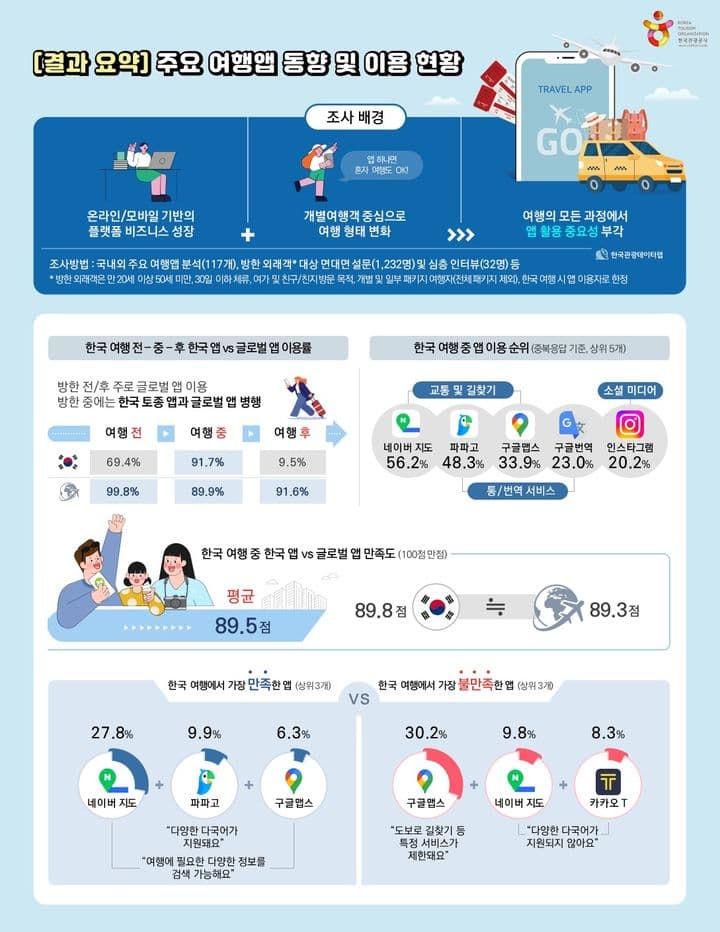
Korea is a hyper-connected nation, a digital wonderland where technology permeates every aspect of daily life. But here's the kicker: many of the apps you rely on back home might not be your best companions here. Google Maps, for instance, often struggles with public transport routes and real-time navigation due to local data restrictions. That's where local Korean apps come to the rescue!
As your trusted travel and food writer for KoreaSpots, I’m here to arm you with the essential digital toolkit for your 2025 adventure. Whether you’re a K-pop idol wannabe or a seasoned K-drama fan seeking out your next authentic food adventure, these apps will transform you from a bewildered tourist into a savvy explorer, finding those Saengsaeng Jeongbotong-verified restaurants and smooth rides across Seoul like a local. Let’s dive into the must-have apps for your Korean journey!
Your Navigation Lifesavers: KakaoMap & Naver Map
Forget everything you think you know about navigation. In Korea, Google Maps takes a backseat. Instead, you'll want to embrace the power of either KakaoMap or Naver Map. Both are incredibly robust, offering detailed public transport routes, real-time traffic updates, and even information on bus arrivals down to the second. They’re indispensable for getting around bustling Seoul or exploring the serene alleys of Jeonju.
So, which one should you pick? Both are excellent, but they have slight differences that might sway your preference. Here's a quick comparison:
| Feature | KakaoMap | Naver Map |
|---|---|---|
| Interface | Clean, user-friendly, often preferred by foreigners. | More detailed, can feel a bit cluttered but has rich local info. |
| English Support | Excellent, widely used by international visitors. | Good, improving constantly, but some local place names might revert to Korean. |
| Public Transport | Very reliable, clear bus/subway routes, real-time tracking. | Equally reliable, integrates bike rentals and taxis well. |
| Walking/Driving | Accurate directions, good for pedestrians. | Excellent for driving (often preferred by Koreans), precise walking routes. |
| Street View | Kakao Street View (similar to Google Street View). | Naver Street View, often more up-to-date in certain areas. |
| Food/Restaurant Search | Good integration with KakaoPlace, user reviews. | Strong integration with Naver Place, often more comprehensive local reviews and blogs. |
Our Pick for Beginners: For your first trip, KakaoMap generally offers a slightly more intuitive and less overwhelming experience for non-Korean speakers. However, if you're keen on diving deep into local reviews and finding niche spots, Naver Map is a powerhouse once you get used to it.
Practical Tip: Before your trip, download both! Try them out and see which one feels more comfortable for you. You'll primarily use them for subway and bus routes. Remember to buy a T-Money card (available at convenience stores like CU, GS25, 7-Eleven) and load it up – these apps will tell you exactly which bus or subway line to take!
Bridging the Language Gap: Papago & KakaoTalk

Don't let the language barrier intimidate you! While many Koreans, especially in tourist areas, speak English, having these two apps will make your life incredibly easy and open up more authentic interactions.
Papago: Your Personal Translator
Just as Google Maps struggles, Google Translate often falls short when it comes to Korean. Enter Papago, Naver's incredibly powerful translation app. Papago understands Korean nuances far better than its international competitors, making your conversations smoother and more accurate.
- Text Translation: Type or paste text for instant, accurate translations.
- Voice Translation: Speak into your phone, and Papago will translate it in real-time. This is a game-changer when ordering food or asking for directions!
- Image Translation: Point your camera at a menu, sign, or even a K-drama script, and Papago will translate the text directly on your screen. This is a lifesaver for deciphering restaurant menus or subway exit signs.
- Handwriting Translation: If you're practicing your Korean, you can even draw characters and get translations.
Practical Tip: Download Papago and get familiar with its functions before you land. You'll be using it constantly, especially when exploring markets or smaller, local eateries that might not have English menus.
KakaoTalk: Staying Connected Like a Local
In Korea, KakaoTalk isn't just a messaging app; it's the messaging app. Everyone uses it – friends, family, businesses, even some restaurants for reservations. If you plan on making local friends, joining a tour group, or even needing to contact someone you meet, KakaoTalk is essential.
- Free Messaging & Calls: Connect with anyone who has the app, anywhere in the world.
- Group Chats: Perfect for travel buddies or tour groups.
- KakaoPay Integration: While foreigners might not use this as extensively, many businesses accept KakaoPay, and it's built into the app.
- Emoticons & Themes: Get ready for an adorable world of animated emoticons that add so much fun to conversations!
Practical Tip: Download KakaoTalk and set up your profile. If you're attending a language exchange or a class, this will be your primary mode of communication with other participants and organizers.
Your K-Food Quest Companion: Finding TV-Verified Delights
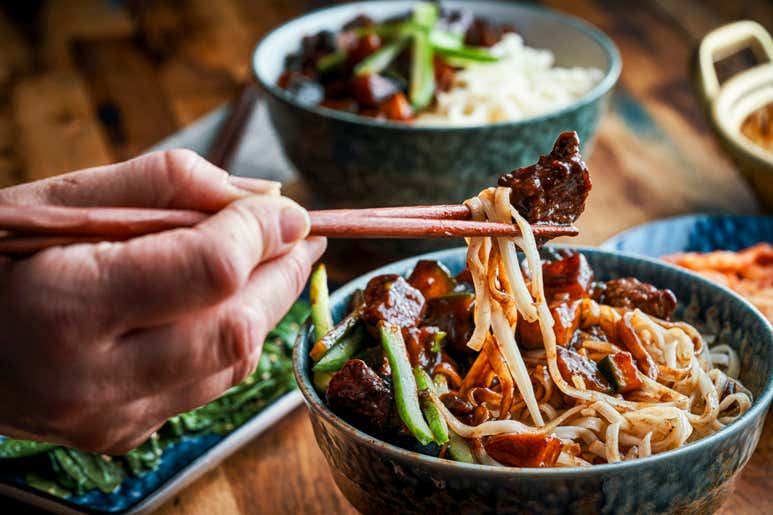
This is where KoreaSpots truly shines! You're here for authentic food, the kind featured on shows like Saengsaeng Jeongbotong, Yuksi Naegohyang, and Saengsong Today. The good news? Our navigation apps (Naver Map and KakaoMap) double as fantastic food finders. While there are dedicated food review apps, for beginners, leveraging the map apps you're already using is often the simplest and most effective way to hunt down those legendary eateries.
Here’s how to use them to find your next meal, K-drama style:
- Search in Korean (with Papago's help!): While you can search in English, knowing some basic Korean food terms will unlock a treasure trove. Use Papago to translate dishes you saw on TV (e.g., "bindaetteok", "kalguksu", "galbi") or even the names of the TV shows themselves ("Saengsaeng Jeongbotong matjip" for "Saengsaeng Jeongbotong restaurant").
- Check Reviews and Photos: Both Naver Map and KakaoMap are packed with user reviews, photos, and even blog posts (often automatically translated by the app). Look for places with high ratings and lots of recent photos.
- Look for TV Show Mentions: Many restaurants proudly display banners or signs indicating they've been featured on TV shows. In the app descriptions or reviews, you might see mentions of "Saengsong Today" or "Yuksi Naegohyang." This is your golden ticket to an authentic experience!
Dining Spotlight: Gwangjang Market Bindaetteok (광장시장 빈대떡)

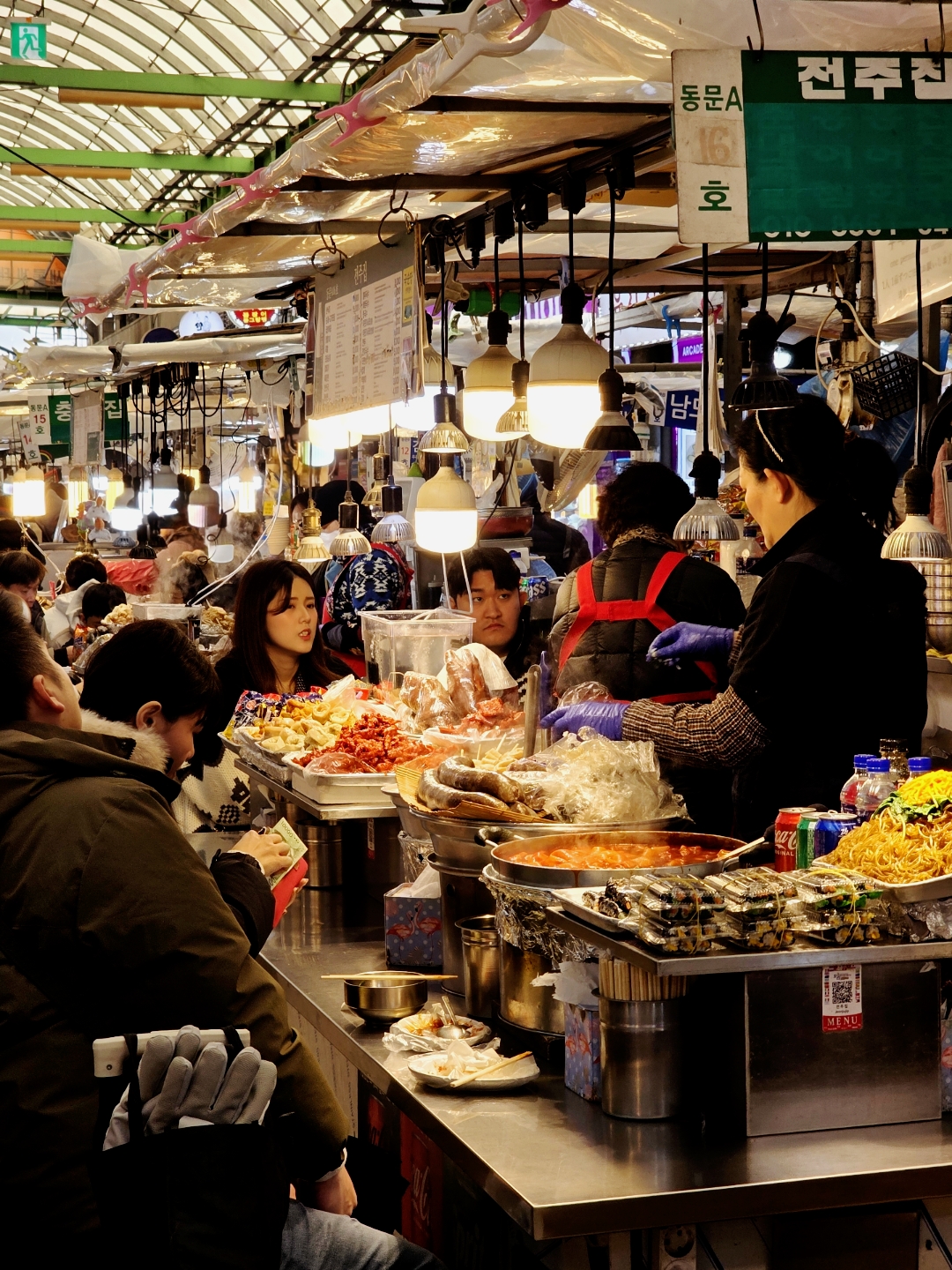
You can't go to Seoul without experiencing the vibrant chaos and incredible food of Gwangjang Market! It's a feast for the senses and a common feature on shows like Saengsaeng Jeongbotong for its mouthwatering street food. When you're there, you absolutely must try the Bindaetteok (mung bean pancake).
- How to get there: Take the subway to Jongno 5-ga Station (Line 1, Exit 8). You can use KakaoMap or Naver Map to guide you right into the heart of the market.
- What to order: Bindaetteok (녹두빈대떡), of course! Many stalls also offer Mayak Gimbap (마약김밥 - "drug gimbap" because it's so addictive!) and Tteokbokki.
- Price Range: Very affordable, typically 5,000 - 10,000 KRW per dish.
- Best Time to Visit: Weekday afternoons are great to avoid the biggest crowds, but evenings are lively and fun. Be prepared to share a table or stand!
Dining Spotlight: Myeongdong Kyoja (명동교자)
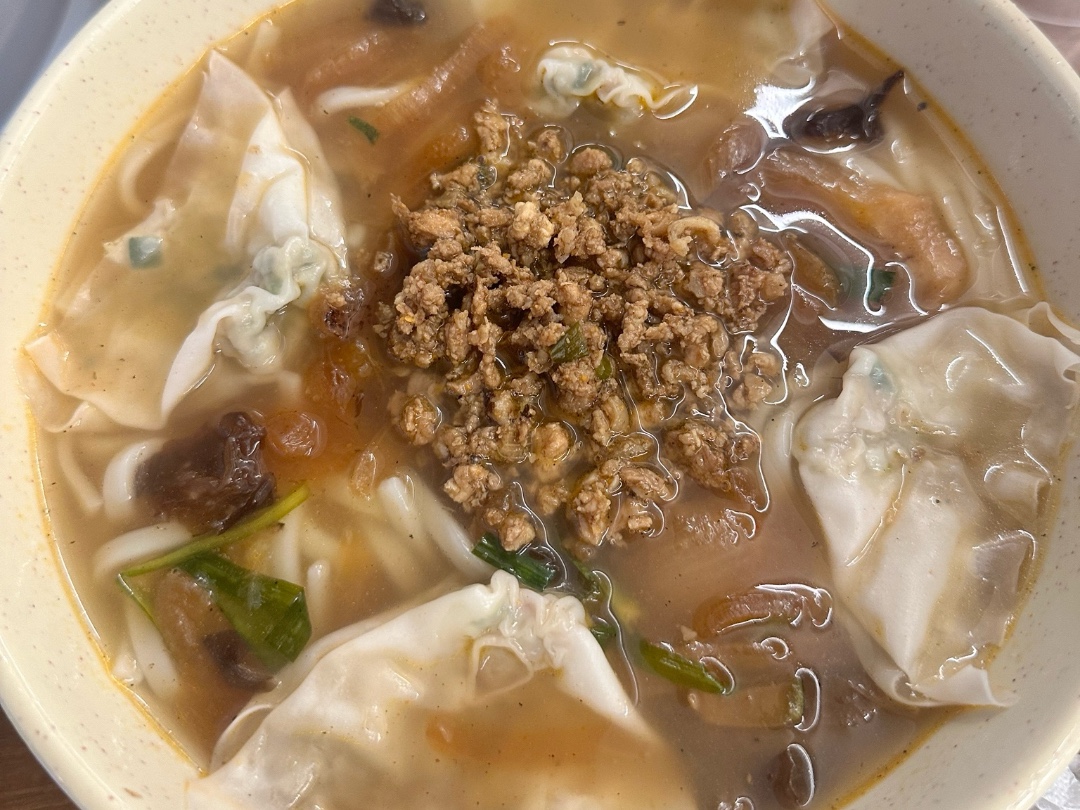
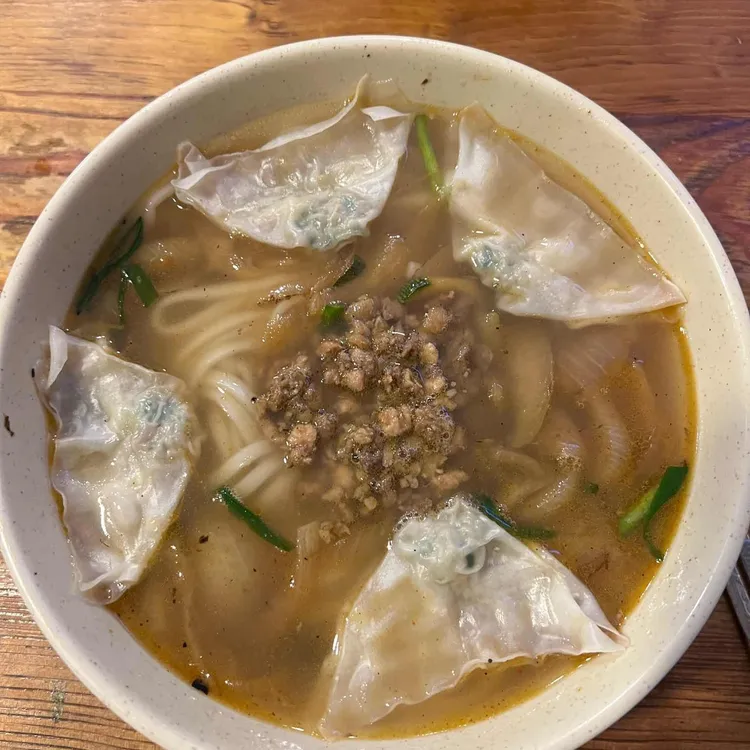
If you're craving some of the best Kalguksu (knife-cut noodle soup) in Seoul, Myeongdong Kyoja is legendary and has been featured on numerous local food programs. It's a must-visit, especially after a shopping spree in Myeongdong.
- How to get there: Take the subway to Myeongdong Station (Line 4, Exit 8). From there, it's a short walk, easily found on KakaoMap or Naver Map. There are two locations very close to each other in Myeongdong.
- What to order: The signature Kalguksu (칼국수) and Mandu (만두 - dumplings). The garlic kimchi is also famously spicy and delicious!
- Price Range: Around 10,000 - 12,000 KRW per dish, reasonable for the quality and generous portions.
- Best Time to Visit: Expect a queue, especially during lunch and dinner times. Go a bit earlier or later (e.g., 11:30 AM or 2:00 PM) to minimize waiting.
Stay Connected & Pay Smarter: Internet & Payments
Having reliable internet access is non-negotiable for using these apps. Here are your best options:
1. eSIM or Local SIM Card
This is often the most convenient option. Purchase an eSIM online before you travel or a physical SIM card upon arrival at Incheon International Airport (ICN). This gives you a local phone number and consistent data.
2. Portable Wi-Fi Egg (Pocket Wi-Fi)
Rent a portable Wi-Fi device at the airport or online. This is great for groups as multiple devices can connect, but it means carrying an extra gadget and keeping it charged.
3. Free Public Wi-Fi
Korea has excellent free public Wi-Fi in many subway stations, cafes, and public areas. Look for "Korea Wi-Fi" or network names from major telecom providers (KT, SKT, LG U+). However, it's not always reliable, especially when you're on the go.
Payment Apps: T-Money is Key!
While KakaoPay and Naver Pay are ubiquitous among Koreans, they are difficult for foreigners to set up due to requiring a local bank account and phone number. Your best bet for payment is still a combination of cash, international credit cards, and the indispensable T-Money card.
- T-Money Card: Your absolute best friend for public transport (subway, bus, even taxis!). Purchase and reload it at any convenience store or subway station.
- Credit/Debit Cards: Most places accept international credit cards (Visa, Mastercard). However, some smaller shops or market stalls might be cash-only.
- Cash: Always good to have some Korean Won (KRW) on hand for small purchases, street food, or emergencies.
Beyond the Basics: VisitKorea App
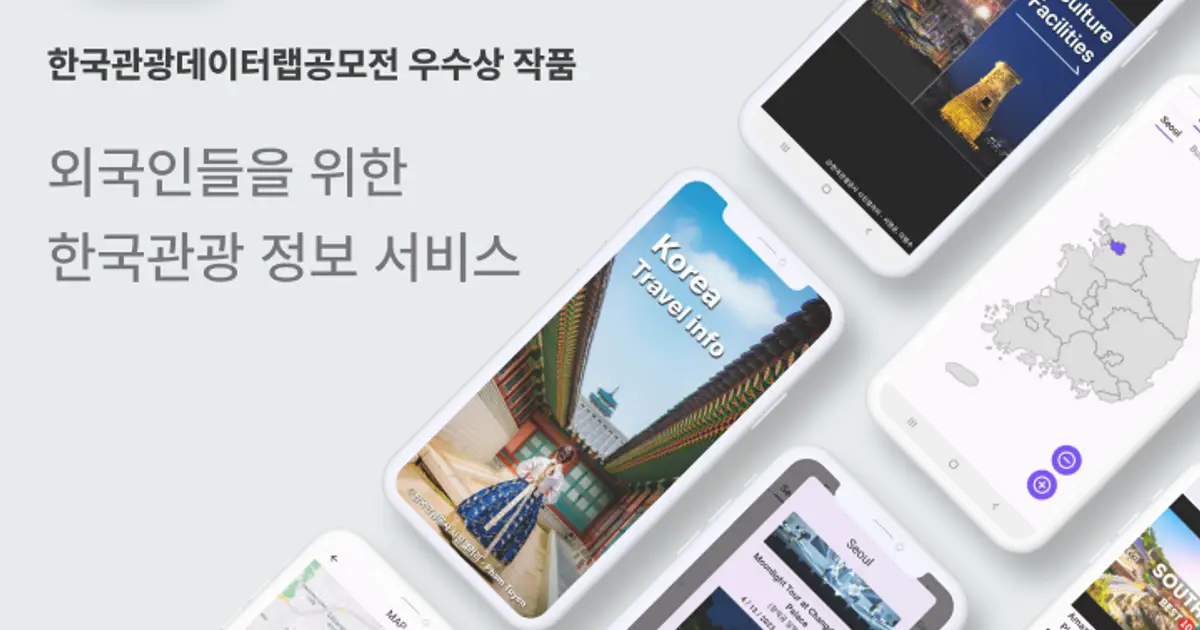
The official VisitKorea app, developed by the Korea Tourism Organization, is a fantastic resource for general tourism information. It offers:
- Attraction Info: Details on major tourist sites, hidden gems, and UNESCO World Heritage sites.
- Travel Itineraries: Pre-planned routes to inspire your trip.
- Emergency Contacts: Important numbers for medical assistance, lost & found, etc.
- Event Calendars: Stay updated on festivals and cultural events happening during your visit.
It's a great complementary app to have for broader travel planning and discovering things to do outside of your K-drama specific spots!
Your Digital Journey Awaits!
Navigating Korea might seem daunting without Google's familiar blue dot, but with these local apps in your pocket, you'll be zipping around like a pro. From finding the fastest subway route with KakaoMap, translating a spicy menu with Papago, to sharing your epic K-food adventures on KakaoTalk, these tools are your passport to a truly authentic and unforgettable Korean experience. So go forth, download these apps, and get ready to discover the Korea that only locals (and now you!) truly know!
💡 AI Travel Tip
AI tools can be your ultimate personal travel assistant, helping you plan detailed itineraries, discover unique spots, and even prepare for cultural nuances. Here's how to leverage them for your Korean adventure:
- Custom Itinerary Builder: Use AI to generate multi-day plans tailored to your interests, whether it's K-pop, historical sites, or food tours.
- Restaurant & Dish Recommendations: Ask AI for specific food recommendations based on your dietary preferences, location, and even K-drama references.
- Local Phrase Practice: Get AI to generate common Korean phrases for ordering food, asking for directions, or shopping, complete with romanization and basic pronunciation guides.
- Packing List Generator: Have AI create a personalized packing list based on the season, activities, and duration of your trip.
Prompt example: "I am planning a 7-day trip to Seoul in October 2025. I love K-drama history, traditional markets, and vegan food. Please create a detailed itinerary including specific neighborhoods, activities, and restaurant suggestions that have been featured on Korean TV shows like Saengsaeng Jeongbotong, if possible. Also, suggest some easy Korean phrases for ordering vegan food."