Best Omakase and Chef's Table Korean Dining Experiences
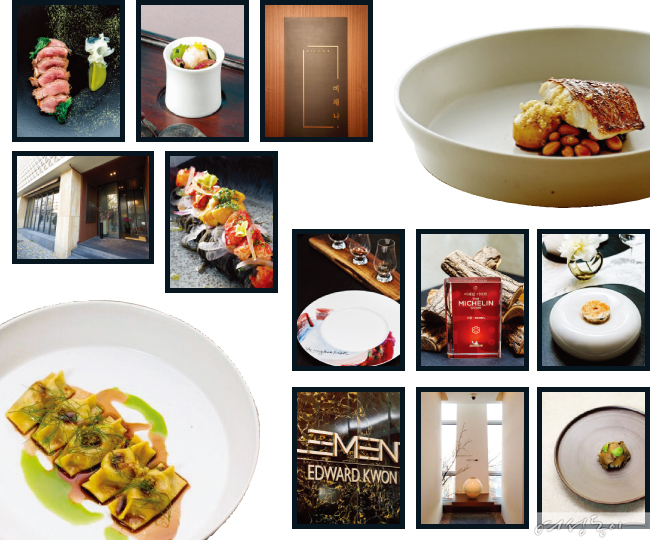
Okay, K-drama and K-pop fam, let's talk food. You've probably already got your mental checklist of must-try Korean dishes: sizzling BBQ, spicy tteokbokki from a street vendor, maybe even a comforting bowl of kimchi jjigae. And trust me, those are absolute essentials! We often share amazing spots for those kinds of experiences, the ones you see popping up on shows like Saengsaeng Jeongbotong or Yuksi Naegohyang, showing you incredible value and local favorites. But what if I told you there's a whole other universe of Korean dining that's less about the bustling street and more about a quiet, breathtaking symphony for your taste buds?
Yep, today we're going a little fancy, a little luxurious, and totally unforgettable. We're diving deep into the world of Korean Omakase and Chef's Table dining. Think of it as the ultimate upgrade, where celebrated chefs transform traditional Korean ingredients and flavors into modern masterpieces. This isn't just a meal; it's an immersive storytelling experience, a culinary journey curated just for you. If you're looking to impress someone special, celebrate a milestone, or just treat yourself to an unparalleled food adventure that goes beyond the typical tourist trail – you're going to want to stick around.
What Exactly is Korean Omakase/Chef's Table?
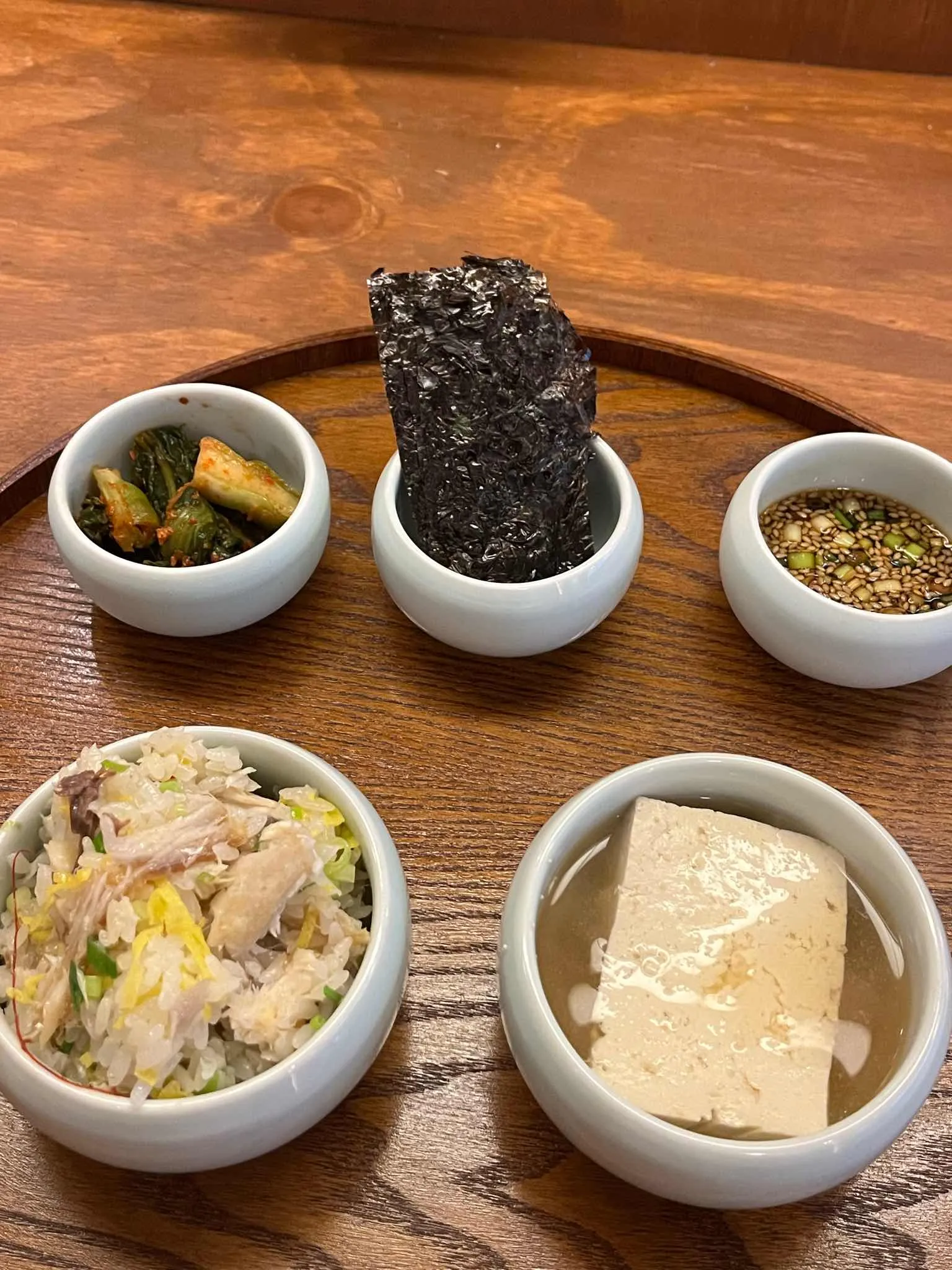
So, you've heard of Omakase in Japanese sushi restaurants, right? "I'll leave it up to you," is what it essentially means. Well, in Korea, this concept has been beautifully adapted to showcase the incredible depth and artistry of Korean cuisine. A Korean Omakase or Chef's Table experience isn't about choosing dishes from a menu. Instead, you put your complete trust in the chef, who presents a meticulously crafted, multi-course meal using the freshest seasonal ingredients.
It's an intimate affair, often with limited seating, where the chef might even present the dishes personally, explaining the inspiration, ingredients, and traditional techniques reimagined for a contemporary palate. You'll encounter familiar flavors like gochujang or soy sauce, but in combinations and presentations you'd never expect. Imagine delicate amuse-bouches, stunning mains, and artful desserts, all telling a story of Korean culinary heritage with a modern twist. It's truly next-level, and honestly, a must-try for any serious foodie or K-culture enthusiast looking to explore beyond the usual.
The Culinary Stars: Our Top Picks for a Korean Fine Dining Journey
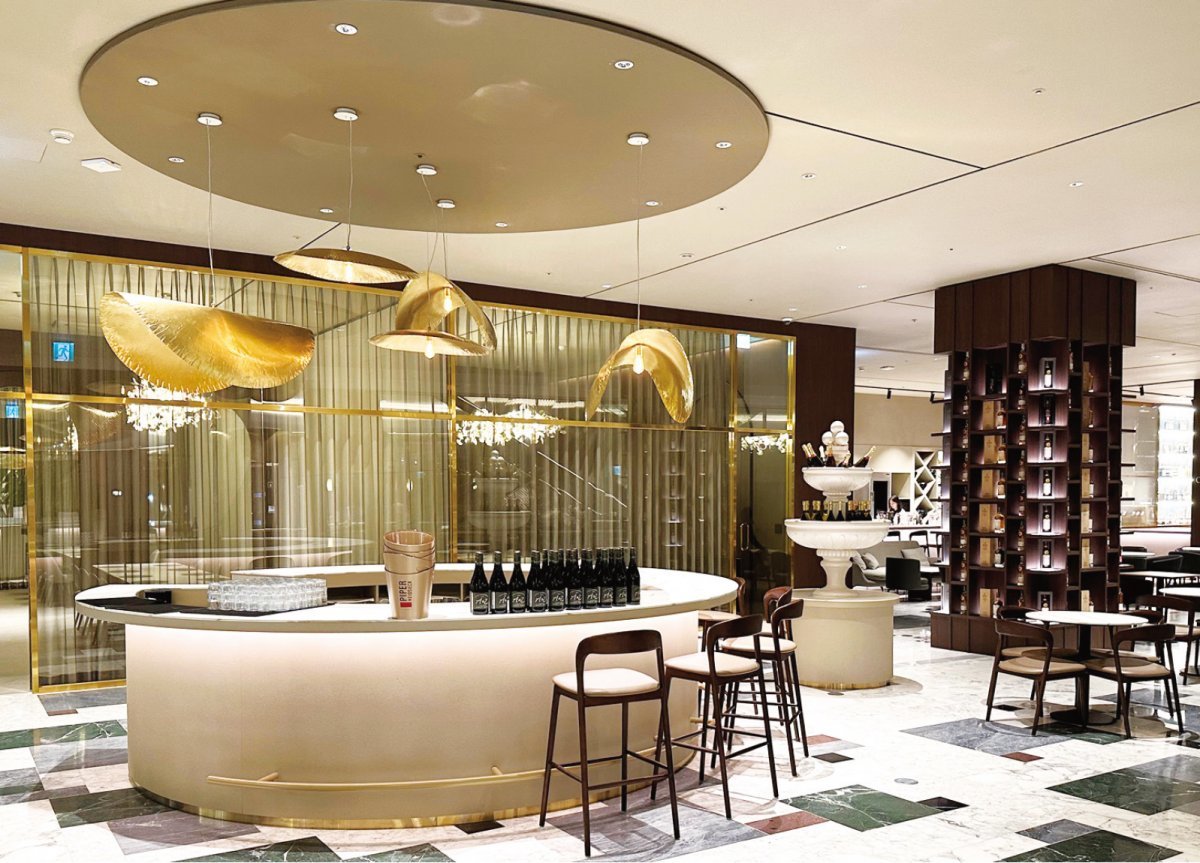
Alright, ready for some serious recommendations? These aren't your typical Saengsaeng Jeongbotong value finds (though we love those too!), but rather a different kind of authentic – the kind that pushes boundaries and elevates Korean flavors to an art form. These spots are often Michelin-starred or highly acclaimed, and while they might seem like a splurge, trust me, the experience is totally worth it.
Mingles (밍글스)
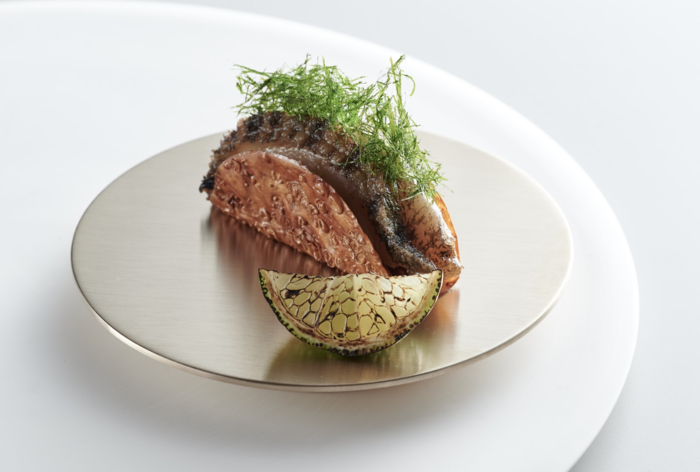
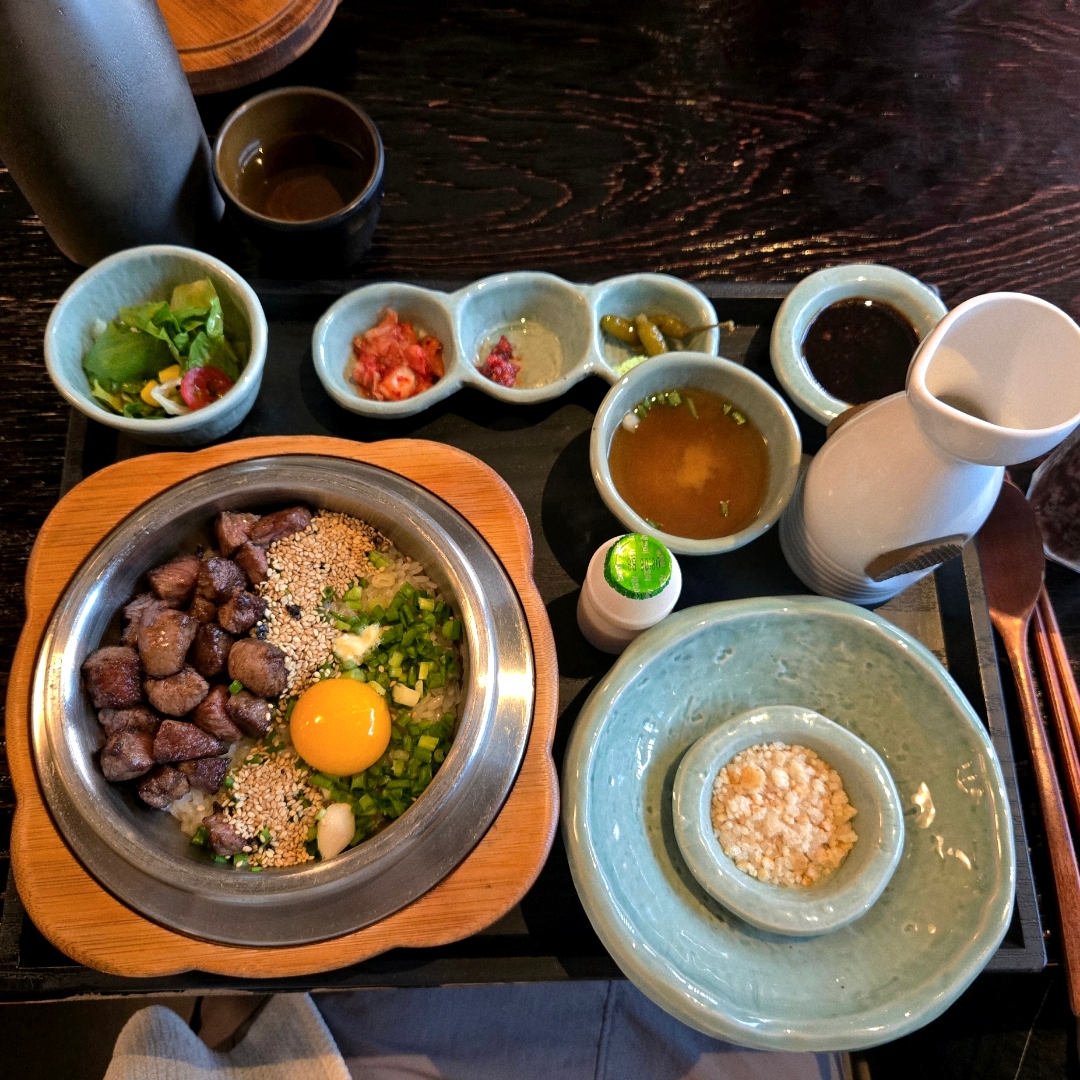
First up, we have Mingles. Located in the swanky Cheongdam-dong area of Gangnam, Mingles isn't just a restaurant; it's a statement. Chef Kang Ming-goo is a genius, blending traditional Korean 'jang' (fermented sauces) with a global approach to create "new Korean cuisine." Think traditional flavors meeting Western techniques. It's often lauded as one of Asia's 50 Best Restaurants, and for good reason!
- What to Expect: Their tasting menus are legendary. You'll experience beautifully plated dishes that balance savory, sweet, sour, and umami in perfect harmony. They're famous for their innovative use of ingredients like truffle with bibimbap, or unexpected twists on traditional Korean desserts.
- Signature Dishes: While the menu changes seasonally, look out for dishes featuring their house-made jang, or their stunning interpretation of Korean grains and vegetables. Their desserts, often incorporating traditional Korean elements like soybean paste or makgeolli, are always a delightful surprise.
- Vibe: Elegant, sophisticated, yet welcoming. It's a perfect spot for a romantic dinner or a celebratory meal.
- Price Range: Expect lunch menus to start around ₩100,000-₩150,000, with dinner menus upwards of ₩200,000-₩300,000+ per person. It’s an investment, but an unforgettable one!
- Getting There: Take the subway to Apgujeong Rodeo Station (Bundang Line), exit 4, and it's about a 10-15 minute walk. Taxis are also readily available in this area.
Jungsik (정식당)
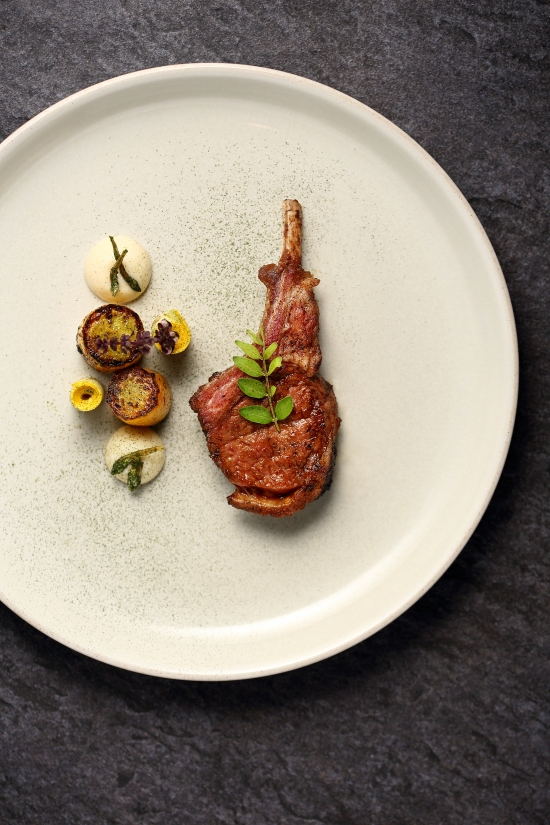
Next on our list is Jungsik, another pioneer in the "New Korean" movement. With branches in Seoul and New York, Chef Yim Jungsik's restaurant redefined Korean fine dining. It's also located in Cheongdam-dong, making it easy to hit up some upscale shopping or K-beauty spots beforehand!
- What to Expect: Jungsik is known for its playful yet sophisticated approach. They take traditional Korean ingredients and present them in a highly artistic, almost whimsical way. Each dish is a visual masterpiece as much as it is a culinary one.
- Signature Dishes: Their "Gyeran-jjim" (steamed egg) with sea urchin is an icon, as is their "Dolsot Bibimbap" reinvented with modern flair. And you absolutely cannot leave without trying their famous "Dolhareubang" dessert, shaped like the iconic stone statues from Jeju Island! It's super cute and delicious.
- Vibe: Modern, sleek, and a bit more avant-garde than Mingles. It's great for those who appreciate innovation and a bit of culinary theater.
- Price Range: Similar to Mingles, lunch sets usually start around ₩90,000-₩140,000, and dinner tasting menus range from ₩180,000-₩280,000+ per person.
- Getting There: Also convenient to Apgujeong Rodeo Station (Bundang Line), exit 4 or 5. A short walk or quick taxi ride from there.
Onjium (온지음)

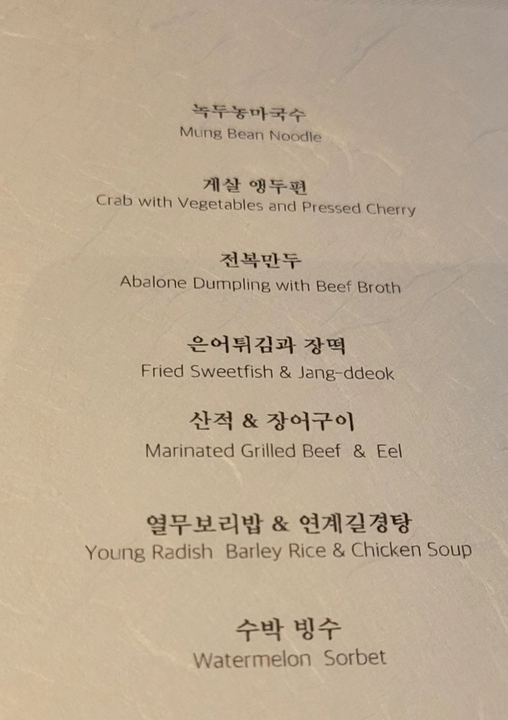
For something a little different, but equally exquisite, let's talk about Onjium. This spot, nestled in the traditional atmosphere of Bukchon Hanok Village in Jongno-gu, offers a deeper dive into the roots of Korean cuisine with a contemporary touch. It’s a research institute for Korean traditional culture, and their restaurant showcases their incredible culinary heritage.
- What to Expect: Onjium focuses on rediscovering and reinterpreting historical Korean recipes, often with a connection to temple food or royal court cuisine. It’s a serene, thoughtful experience that emphasizes natural flavors and meticulous preparation. You’ll feel a sense of calm and respect for tradition here.
- Signature Dishes: Their seasonal tasting menus highlight rare ingredients and ancient cooking methods. Expect delicate Jang-ajji (pickled vegetables), creative takes on porridge, and main courses that showcase prime Korean meats or seafood, all presented with understated elegance.
- Vibe: Tranquil, refined, and deeply respectful of Korean heritage. It’s perfect if you're seeking a dining experience that feels like a cultural immersion.
- Price Range: Lunch menus typically start around ₩80,000-₩120,000, with dinner menus from ₩150,000-₩250,000+ per person. It’s a fantastic way to experience traditional Korean flavors elevated.
- Getting There: The closest subway station is Anguk Station (Line 3), exit 2 or 3. From there, it's a lovely walk through the picturesque Bukchon Hanok Village.
Planning Your Elite Korean Dining Experience
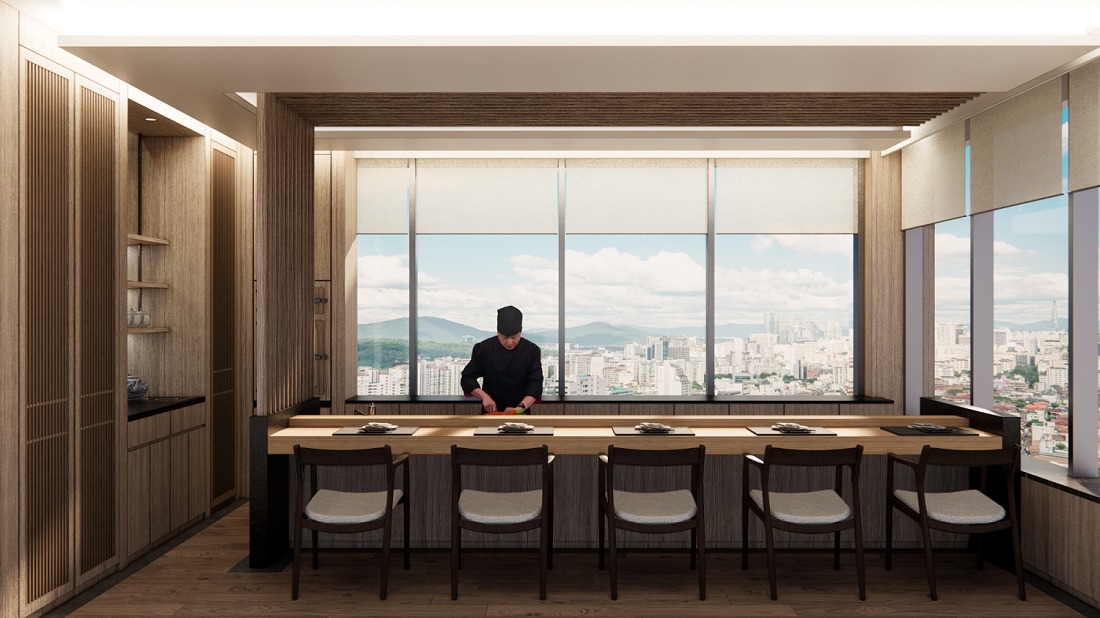
Okay, now for the practical stuff! These aren't walk-in friendly spots, so planning is key.
Booking Your Table
- Reservations are ESSENTIAL: Seriously, you can't just rock up. Most of these high-end restaurants require reservations weeks, if not months, in advance, especially for dinner or weekend slots.
- Online Platforms: Many use apps like Catch Table (캐치테이블) or Naver Reservations (네이버 예약). You might need a Korean phone number or have your hotel concierge help you. Some have international booking options directly on their websites.
- Deposit Policy: Be prepared for a deposit or full prepayment, which is common for fine dining in Korea.
- Dietary Restrictions: Always mention any allergies or dietary restrictions when booking. They are usually very accommodating if given advance notice.
What to Wear & How to Act
- Dress Code: While not strictly formal (no need for a tux!), smart casual is generally appropriate. Think nice pants/skirt, a stylish top, and clean shoes. Avoid shorts, flip-flops, or overly casual wear.
- Etiquette: Be punctual! Korean dining culture values timeliness. Also, these are often quiet, intimate settings, so keep your voice down and enjoy the ambiance.
- Service Charge/Tipping: Unlike in many Western countries, tipping is generally not expected in Korea, even at high-end establishments. A service charge is sometimes included, but it's not a separate line item you add on.
Comparing Our Picks
| Restaurant | Specialty | Vibe | Neighborhood | Approx. Dinner Price (per person) |
|---|---|---|---|---|
| Mingles | Modern Korean with global influences | Elegant, sophisticated, warm | Cheongdam-dong, Gangnam | ₩200,000 - ₩300,000+ |
| Jungsik | New Korean, innovative, artistic presentation | Modern, sleek, avant-garde | Cheongdam-dong, Gangnam | ₩180,000 - ₩280,000+ |
| Onjium | Traditional Korean heritage, refined, serene | Tranquil, respectful, cultural | Bukchon Hanok Village, Jongno-gu | ₩150,000 - ₩250,000+ |
Prices are estimates and subject to change. Always check the restaurant's official website for the most current information.
Why Go Beyond TV-Verified Local Gems?

Look, we absolutely adore those local spots that Saengsaeng Jeongbotong or Saengsong Today highlight. They're the heart and soul of Korean everyday dining! But experiencing a Korean Omakase or Chef's Table is a different kind of "authentic." It's about seeing how Korean chefs are taking their rich culinary traditions, pushing boundaries, and gaining international acclaim. It shows you the sheer versatility and artistry of Korean food, proving it's so much more than just BBQ and street snacks.
It's the kind of experience that makes you appreciate the culture on a deeper level, like understanding the subtle nuances of a complex K-drama plot. It's an investment in an unforgettable memory, a story you'll tell long after you've left Korea. So, if you're ready to treat your taste buds to a truly luxurious and sophisticated journey, this is your sign!
💡 AI Travel Tip
Planning a high-end dining experience in Korea can involve intricate booking details and understanding specific menu items. Leverage AI to streamline your process!
- Restaurant Information & Booking Assistance: Get real-time updates and help with reservations.
- Menu Translation & Explanation: Understand complex dishes and ingredients before you arrive.
- Dietary Needs Communication: Craft polite and clear messages for the restaurant about allergies.
Prompt example: "I am planning a trip to Seoul next month and want to book a dinner at Mingles. Can you help me find their official website or the best platform for international reservations, and draft an email to them asking if they can accommodate a pescetarian diet, avoiding all meat and poultry?"
Prompt example: "Explain the common ingredients and traditional significance of the 'Dolhareubang' dessert at Jungsik, and suggest similar unique Korean dessert experiences in Seoul."
Prompt example: "I have a reservation at Onjium. What is the best way to get there from Gangnam Station using public transport, and what are some local attractions nearby the restaurant that I could visit before dinner?"