How Korean TV Food Shows Find and Verify the Best Restaurants
Ever scrolled through K-drama food scenes, drooling over sizzling barbecue or steaming bowls of noodles, and wondered, "How do they find *those* places?" Or maybe you've seen mouth-watering dishes on Korean variety shows and thought, "I need to know where that is"?
Here's the thing: the secret often lies in Korea's beloved food and travel TV programs: Saengsaeng Jeongbotong, Yuksi Naegohyang, and Saengsong Today. These aren't just your average cooking shows — they're basically your golden ticket to finding genuinely delicious, locally-loved eateries scattered across South Korea. But how do they actually pull it off? How do these shows manage to uncover hidden gems and make sure they're truly the best of the best, not just some fleeting trend or a paid promotion?
As your trusted guides at KoreaSpots, we're here to pull back the curtain and show you exactly what goes into this process. Get ready to discover the rigorous — and honestly pretty dramatic — work these broadcast teams do behind those perfectly framed shots of steaming galbi and crispy bindaetteok. Once you understand their methods, you'll be way better equipped to find your own authentic, TV-verified food experiences on your next trip!
The Quest Begins: Unearthing Korea's Hidden Culinary Gems
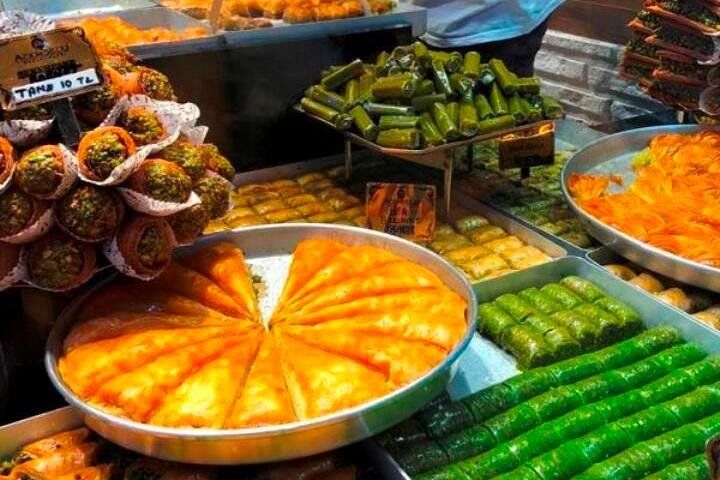
It's not as simple as googling "best restaurants in Seoul." The producers and writers for shows like Saengsaeng Jeongbotong and Yuksi Naegohyang are basically culinary detectives. Their mission? To find places that are authentic, traditional, have truly unique flavors, and often come with a genuinely heartwarming story. They're not hunting for Michelin stars (though trust me, plenty of hidden gems could totally earn them); they're looking for spots that are deeply woven into their communities and absolutely loved by locals.
Their search starts far away from the bright lights of Gangnam. Teams typically kick things off by:
- Local Word-of-Mouth: They tap into local networks — taxi drivers, market vendors, elderly residents, community leaders. These are the people who know where the real, unpretentious, delicious food is hiding. Honestly? The best restaurants often don't have any fancy marketing at all.
- Community Forums & Blogs: While they're not looking for sponsored content, they do dig through countless online reviews and recommendations from ordinary Koreans on local forums and food blogs, searching for patterns and genuine enthusiasm.
- Relentless Scouting: Picture this: driving through a small countryside village for days, stopping at every humble eatery, smelling the air, chatting with people, and jotting down notes. This boots-on-the-ground approach is absolutely crucial. They're hunting for restaurants that might not even have an English sign — or honestly, any sign at all!
- Seasonal & Regional Focus: Yuksi Naegohyang especially shines when it comes to highlighting seasonal ingredients and regional specialties. Their teams travel to specific provinces known for certain dishes or ingredients (think Jeonju for bibimbap, Busan for dwaeji gukbap) and really immerse themselves in the local food scene.
The goal isn't just to find a "tasty" spot; it's to discover a place with soul, where the food tells a story, and you can feel the owner's passion. This initial scouting phase is meticulous and incredibly demanding — often involving tons of "blind" visits to restaurants that never end up on air.
The Rigorous Verification Process: Beyond Just a Taste Test
Once a potential gem is identified, that's when the real "verification" begins. And honestly? This is where Korean food shows really set themselves apart. They don't just roll up with cameras and call it a day. The process is multi-layered and designed to protect their integrity and ensure consistency.
- Undercover Visits: Before any filming even happens, production staff (or sometimes external mystery diners) visit the restaurant multiple times — completely anonymously. They pay for their meals, observe the service, check on whether the food quality stays consistent, and soak in the overall vibe, just like any regular customer. This guarantees they're experiencing the restaurant as it truly operates, not just when it's putting on a show for TV.
- Kitchen & Ingredient Scrutiny: This is a huge factor. Shows like Saengsaeng Jeongbotong really dig deep into what's happening in the kitchen.
- Hygiene: Is the kitchen clean? Are food handling practices safe?
- Ingredients: Where do they source what they use? Is it fresh? Are they using domestic Korean produce, or importing it? Do they make their own sauces and broths from scratch, or are they using pre-made bases? They often highlight the dedication to using high-quality, often locally sourced, ingredients.
- Cooking Methods: Are they preserving traditional methods? Is the owner genuinely passionate about their craft, or cutting corners? They might even ask to see a family recipe book or watch a specific dish being prepared from start to finish.
- Owner & Chef Interviews: Once a restaurant passes those initial undercover checks, the team approaches the owner. These conversations aren't just for TV; they're about understanding the history, philosophy, and real dedication behind the place. Tons of owners have spent decades perfecting a single dish, passing down recipes from their parents or grandparents. The shows absolutely love highlighting these beautiful legacies.
- Customer Feedback: Here's the thing — it's not enough for the producers to love it; the locals have to love it too! Teams often do on-the-spot interviews with regular customers, asking about their favorite dishes, why they keep coming back, and what makes the place special. This authentic endorsement is crucial for verification.
- Consistency Checks: One good meal isn't enough to cut it. The shows need to be absolutely certain the quality is consistent across different days, times, and even seasons. This means multiple visits and a thorough check of their operational consistency.
This exhaustive process means that by the time a restaurant airs on TV, it's been thoroughly vetted for taste, quality, hygiene, and authenticity. It's basically a stamp of approval from discerning experts and the local community.
Spotlight on the Shows: Your Trusty Guides

While all three shows share that same dedication to finding great food, each one's got its own unique flavor and focus — which can help you figure out which one to follow for your next culinary adventure.
| Show Name (Romanized) | Primary Focus | What to Expect | Best For Finding... |
|---|---|---|---|
| Saengsaeng Jeongbotong (생생정보통) |
Broad information hub; often highlights unique ingredients, generous portions, good value, and diverse food types. | Covers a wide variety of topics, including travel, lifestyle, and substantial food segments. Often focuses on "bang for your buck" or "interesting ingredients." | Restaurants serving generous portions, featuring special ingredients, or putting innovative twists on classic dishes. Great for discovering trending food spots. |
| Yuksi Naegohyang (6시내고향) |
Regional specialties, traditional flavors, heartwarming stories, local producers, and rural charm. | A long-running program that focuses on the countryside, local communities, and where food actually comes from. Really strong emphasis on tradition and local culture. | Authentic regional dishes, traditional Korean cuisine, restaurants in smaller towns, and heartwarming family-run establishments. |
| Saengsong Today (생방송투데이) |
Variety of topics including trending spots, unique experiences, and often visually stunning dishes. | Covers a broad spectrum of daily life, with a major focus on food. Tends to feature places with a modern twist or unique dining experiences. | Contemporary Korean restaurants, cafes, visually gorgeous dishes, or places that are popular with younger crowds. Often highlights unique ambiance or dining concepts. |
Your Turn to Taste: How to Use TV Show Intel on Your Trip
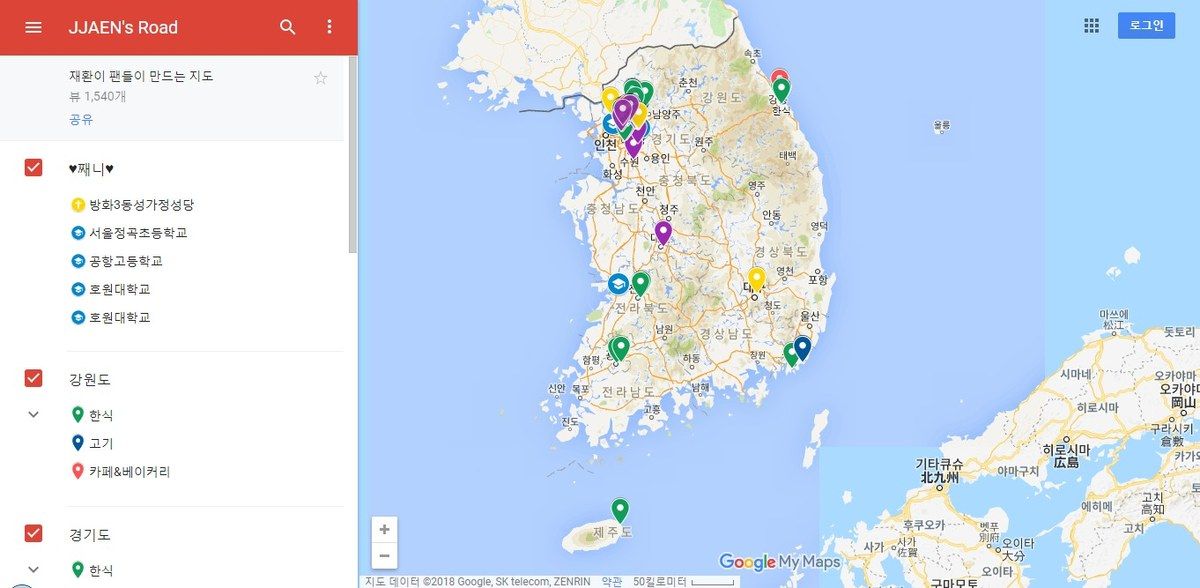
Now that you've got the inside scoop, how do you actually use this information to plan your delicious journey through Korea? It's easier than you'd think!
1. Search Smart: When you're researching places to eat, add "방송 출연" (bangsong churyeon — appeared on broadcast) or the show's name (like "Saengsaeng Jeongbotong 맛집" for Saengsaeng Jeongbotong restaurant) to your Naver or Kakao Maps search. Most restaurants are super proud of their TV appearances and display banners or posters with photos of the featured dishes. Pro tip: look up specific dishes you're craving and see if they've been featured!
2. Prepare for Crowds: Here's the reality — a restaurant featured on a popular TV show becomes seriously busy. Expect lines, especially during peak meal times (lunch 12-1 PM, dinner 6-7 PM) and on weekends.
- Pro Tip: Try going slightly before or after the rush. For lunch, aim for 11:30 AM or 1:30 PM. For dinner, 5:30 PM or after 7:30 PM works great.
3. Know What to Order: The show almost always highlights a signature dish (or maybe two). Make sure you order that! Don't feel shy about pointing to pictures on the menu (most places have them) or showing a screenshot of the dish from the TV program if you've got one. Sometimes the English menu doesn't quite capture what makes the dish so special.
4. Embrace Public Transport: Here's the thing — many of these TV-verified gems aren't sitting in easy tourist traps. Korea's excellent subway and bus system is often your best bet for reaching them. Naver Maps and Kakao Maps are absolute lifesavers, offering detailed public transport routes and estimated travel times.
5. A Little Korean Goes a Long Way: While lots of popular spots in tourist areas have English menus, some of these more local, TV-verified places might not. Learning a few basic phrases like "Igeo juseyo" (이거 주세요 — "This, please" while pointing), "Massisseoyo" (맛있어요 — "It's delicious!"), and "Gamsahamnida" (감사합니다 — "Thank you") can really enhance your dining experience and show respect for the local culture.
A TV-Verified Gem You Must Try: Gwangjang Market Bindaetteok
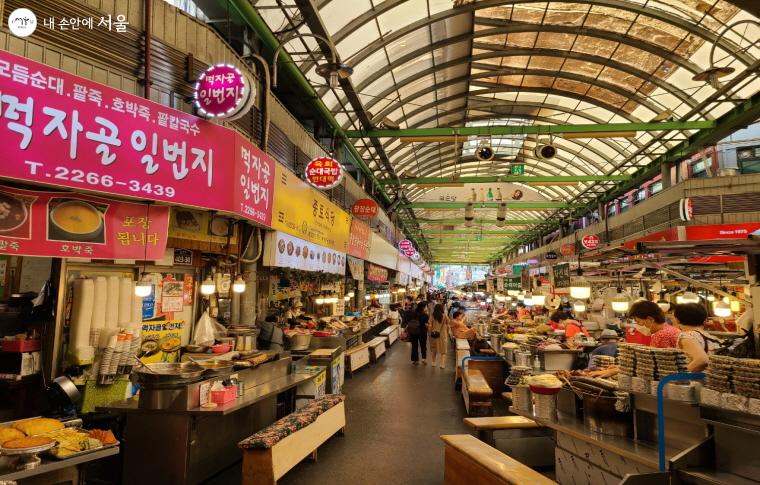
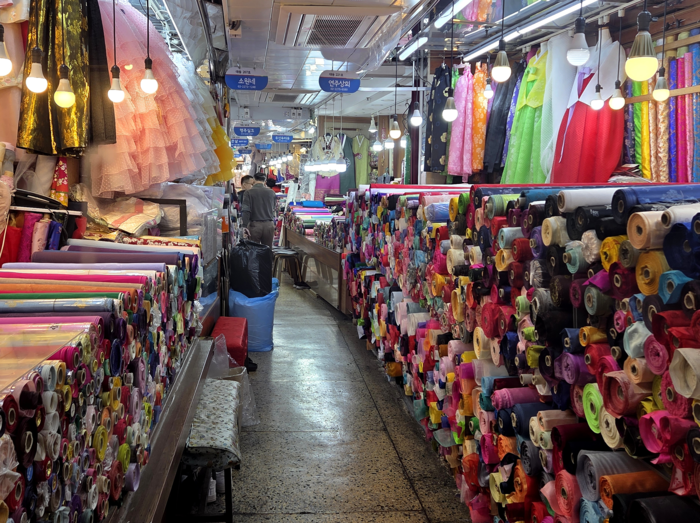
One of the most iconic and frequently featured food spots on all three shows (plus tons of others!) is Gwangjang Market, especially its legendary Bindaetteok (mung bean pancakes). This bustling traditional market in Seoul is an absolute sensory overload — in the best way possible — and its Bindaetteok stalls are the stuff of legend.
- What it is: Bindaetteok are savory pancakes made from ground mung beans, often mixed with veggies and sometimes meat, then pan-fried until they're crispy on the outside and tender inside. They're typically served with a soy-based dipping sauce that's absolutely addictive.
- Why it's TV Famous: The vibrant energy, watching mountains of Bindaetteok being fried in enormous pans, and that hearty, traditional flavor make it a consistent crowd favorite. It's the real deal when it comes to authentic, bustling Korean street food.
- What to Order: Obviously the Bindaetteok (빈대떡), and for the full experience, pair it with a glass of refreshing Makgeolli (막걸리), a traditional Korean rice wine. You'll also definitely want to try the Mayak Gimbap (마약김밥 — "addictive gimbap").
- Price Range: Incredibly affordable! A big serving of Bindaetteok usually runs you ₩5,000-8,000.
- How to Get There: Take Seoul Subway Line 1 to Jongno 5-ga Station (종로5가역), Exit 8. The market entrance is right there.
- Best Time to Visit: Weekday afternoons are less packed, but the energy in the evenings and on weekends is part of the whole experience. Bring friends so you can share tons of dishes!
So here's the thing — the next time you're planning your Korea trip and craving truly authentic flavors, remember the hardworking producers behind Saengsaeng Jeongbotong, Yuksi Naegohyang, and Saengsong Today. They've done all the heavy lifting of scouting and verifying, so you just have to show up and enjoy the incredible food scene Korea has to offer!
💡 AI Travel Tip
Leverage AI tools to pinpoint these TV-verified restaurants and enhance your travel planning. Here's how:
- Find TV-Featured Restaurants: Ask your AI assistant to search for specific dishes or areas that have been highlighted on the shows.
Prompt example: "I'm looking for restaurants in Jeonju that serve traditional bibimbap and have been featured on Korean TV shows like Yuksi Naegohyang or Saengsaeng Jeongbotong. Can you list some, along with their names in Korean and how to get there via public transport from Jeonju Station?"
- Navigate Like a Local: Get detailed directions and understand local transport.
Prompt example: "Give me detailed subway and bus directions from Myeongdong Station to Gwangjang Market for the best Bindaetteok, including the best exit from Jongno 5-ga Station."
- Translate Menus & Phrases: Prepare for language barriers by pre-translating key phrases or asking for menu explanations.
Prompt example: "Translate the following Korean menu items into English and describe what they are: 빈대떡, 막걸리, 마약김밥, 비빔밥. Also, how do I say 'This one, please' and 'It's delicious' in polite Korean?"
- Plan Your Culinary Itinerary: Integrate TV-verified spots into a seamless food tour.
Prompt example: "Create a 1-day food itinerary for Seoul focusing on traditional Korean street food and local restaurants featured on TV shows, starting from Insadong and ending in Hongdae. Include estimated travel times and recommended dishes for each stop."