Regional Korean Cuisine Guide: Busan vs Seoul vs Jeonju
Unlock Korea's Flavors: Busan vs Seoul vs Jeonju – A Culinary Showdown!
Ever found yourself scrolling through K-drama food scenes, drooling over a steaming bowl of something incredible, only to realize you have no idea where in Korea it's from? Or maybe you're planning your dream trip and wondering if Seoul really has all the best food?
Well, fellow K-drama and K-pop enthusiasts, get ready to have your culinary world rocked! Korea's regional cuisine is a vibrant tapestry, and each city's got its own unique flavors, ingredients, and dining traditions that are totally different from its neighbors. Think of it like a delicious K-pop survival show, but instead of idols, it's iconic dishes vying for your heart (and stomach!).
Today, we're diving deep into a legendary face-off: the bustling metropolis of Seoul, the vibrant port city of Busan, and the historic culinary heartland of Jeonju. We'll explore their signature dishes, uncover hidden gems, and help you decide which culinary adventure (or all three!) is perfect for your next trip to Korea. Ready to taste the difference verified by Saengsaeng Jeongbotong and Saengsong Today?
Busan: The Coastal City's Bold & Briny Bites
Imagine the salty sea breeze, the bustling fish markets, and the vibrant energy of a city that never sleeps. That's Busan for you – and its food scene is just as dynamic! Since it's a major port city, Busan's cuisine naturally leans heavily on fresh seafood, but it also boasts these incredibly hearty, robust dishes that'll warm you right up. If you love a bit of a kick, savory broths, and seriously fresh ingredients, Busan is calling your name.
Must-Try Busan Delicacies
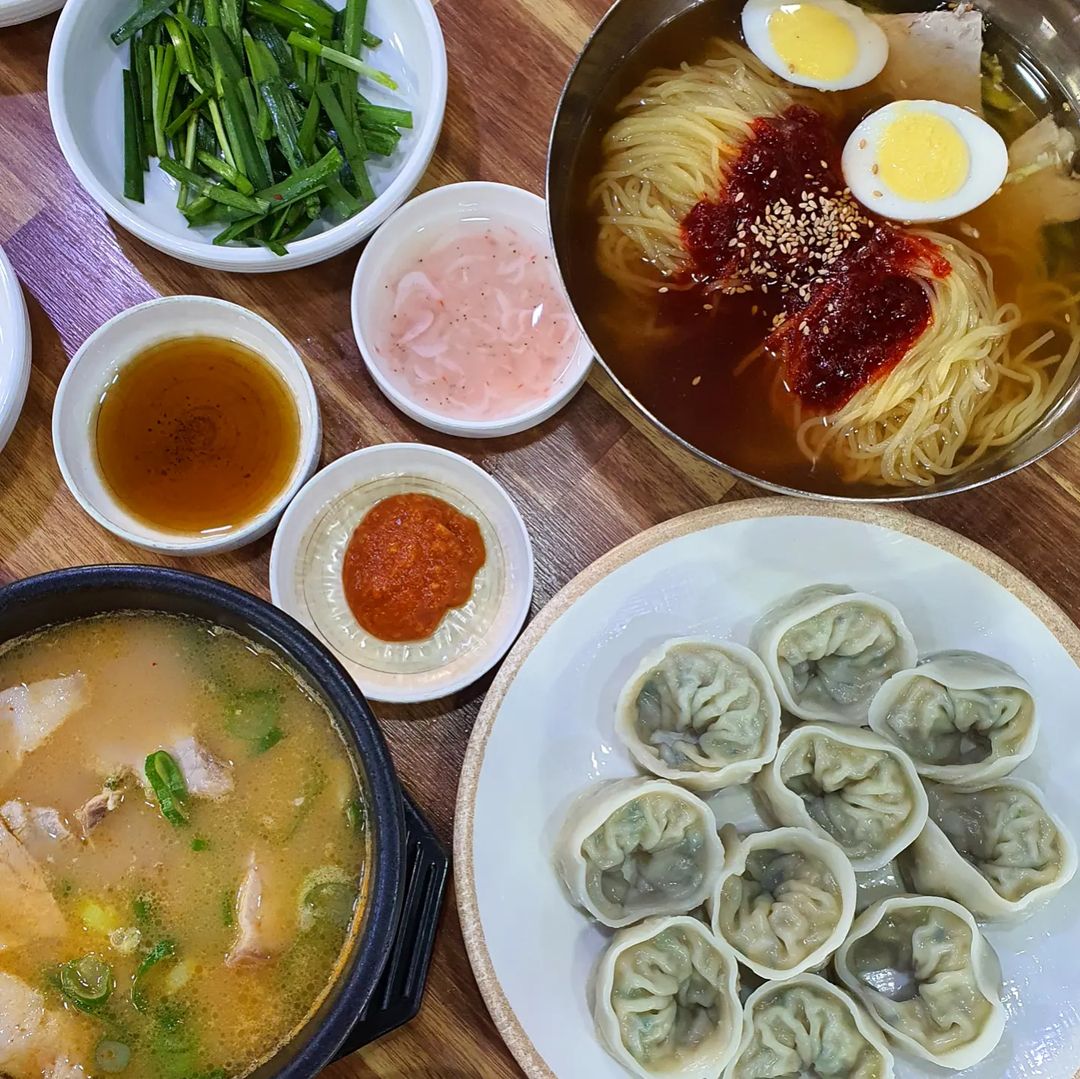
- Dwaeji Gukbap (Pork Soup Rice): This isn't just soup – it's a hug in a bowl! A rich, milky pork broth filled with tender slices of pork, rice, and often a sprinkle of chives. It's Busan's soul food, perfect for any weather. Trust me, many shops around Seomyeon and Busan National University are famous for this dish.
- Milmyeon (Wheat Noodles): Busan's answer to Naengmyeon (cold buckwheat noodles). Milmyeon uses wheat flour, which gives it a chewier texture, and it's served in a refreshing, sometimes slightly sweet and tangy broth with all kinds of tasty toppings. It's an absolute lifesaver on a hot Busan day.
- Eomuk (Fish Cakes): You'll find these everywhere – strolling through Nampodong or Gukje Market, you'll spot countless stalls selling piping hot skewers of eomuk. These aren't your average fish cakes; Busan's eomuk is renowned for its superior quality and diverse shapes and flavors. A quintessential street food snack that you've gotta try!
- Ssiat Hotteok (Sweet Seed Pancake): Forget regular hotteok! Busan's version gets fried until it's super crispy, then gets slit open and stuffed with a generous mix of sunflower, pumpkin, and other seeds – giving it a delightful crunch and nutty flavor. You'll find the best ones in BIFF Square.
Our Busan Pick: Ssangdoong-i Dwaeji Gukbap (쌍둥이 돼지국밥)
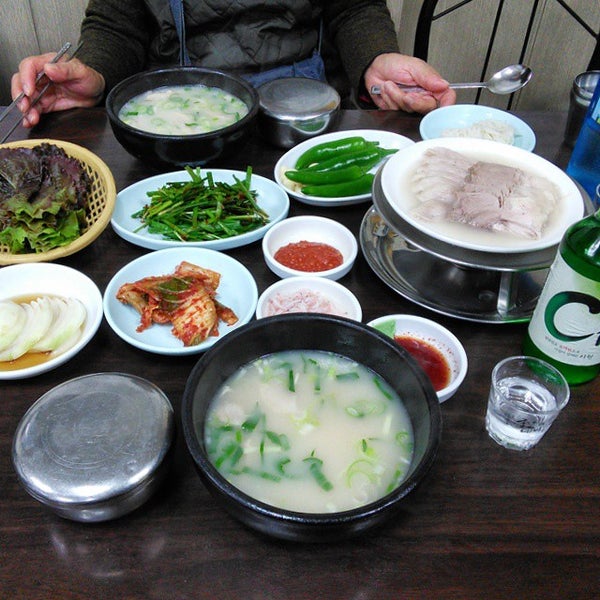

Why you've gotta visit: It's been mentioned countless times on Korean food shows like Yuksi Naegohyang, and Ssangdoong-i Dwaeji Gukbap is honestly a legendary spot in Daeyeon-dong. They're famous for their consistently delicious, hearty pork soup. The broth is incredibly flavorful, and the pork is always super tender.
- What to order: Of course, the Dwaeji Gukbap! You can choose between pork loin, internal organs, or a mix. Don't forget to add a bit of saeujeot (salted shrimp) and buchu muchim (chive salad) to enhance the flavor to your liking.
- Price range: You're looking at around ₩8,000 - ₩10,000 per bowl.
- How to get there: Take Busan Metro Line 2 to Daeyeon Station (대연역). It's just a short walk from Exit 3.
- Best time to visit: It gets busy during lunch and dinner hours, but honestly, the queue moves pretty quickly. It's a perfect meal after exploring the nearby UN Memorial Cemetery or heading to Gwangalli Beach.
Seoul: The Capital's Diverse & Dynamic Delights

Seoul's all about contrasts – ancient palaces right next to futuristic skyscrapers, traditional markets beside high-fashion boutiques. Its food scene totally mirrors this vibe, offering everything from centuries-old royal cuisine recipes to trendy fusion dishes that push culinary boundaries. Seoul food is about having choices, innovation, and honestly, an endless array of dining experiences.
Must-Try Seoul Specialties
- Ganjang Gejang (Soy-Marinated Crab): People call this "rice thief" (밥도둑 - babdoduk) for a reason – this dish is so addictively savory, you'll find yourself reaching for more rice to soak up that glorious sauce. Raw crabs are marinated in this special soy sauce blend, resulting in an incredibly rich, umami-packed experience. It's a delicacy that's been featured on Saengsaeng Jeongbotong for its unique flavor.
- Budae Jjigae (Army Stew): This is a fusion dish that was born out of necessity after the Korean War, and honestly? It's incredible. Budae Jjigae is a hearty, spicy stew packed with ham, sausage, baked beans, kimchi, ramyeon noodles, and often cheese. It's the ultimate comfort food for sharing with friends, especially popular in areas like Itaewon or Uijeongbu (the origin city, which is a short trip from Seoul).
- Korean BBQ (Samgyeopsal, Galbi): While you'll find it nationwide, Seoul's really perfected the art of Korean BBQ. From bustling, smoky joints in Hongdae to upscale, refined restaurants in Gangnam, you'll find every style imaginable. It's an interactive, communal dining experience that you absolutely shouldn't miss.
- Street Food Galore: Myeongdong and Gwangjang Market are iconic for a reason! Tteokbokki (spicy rice cakes), Eomuk (fish cakes), Gyeranppang (egg bread), Bindaetteok (mung bean pancake) – the options are endless and delicious.
Our Seoul Pick: Jinmi Sikdang (진미식당)
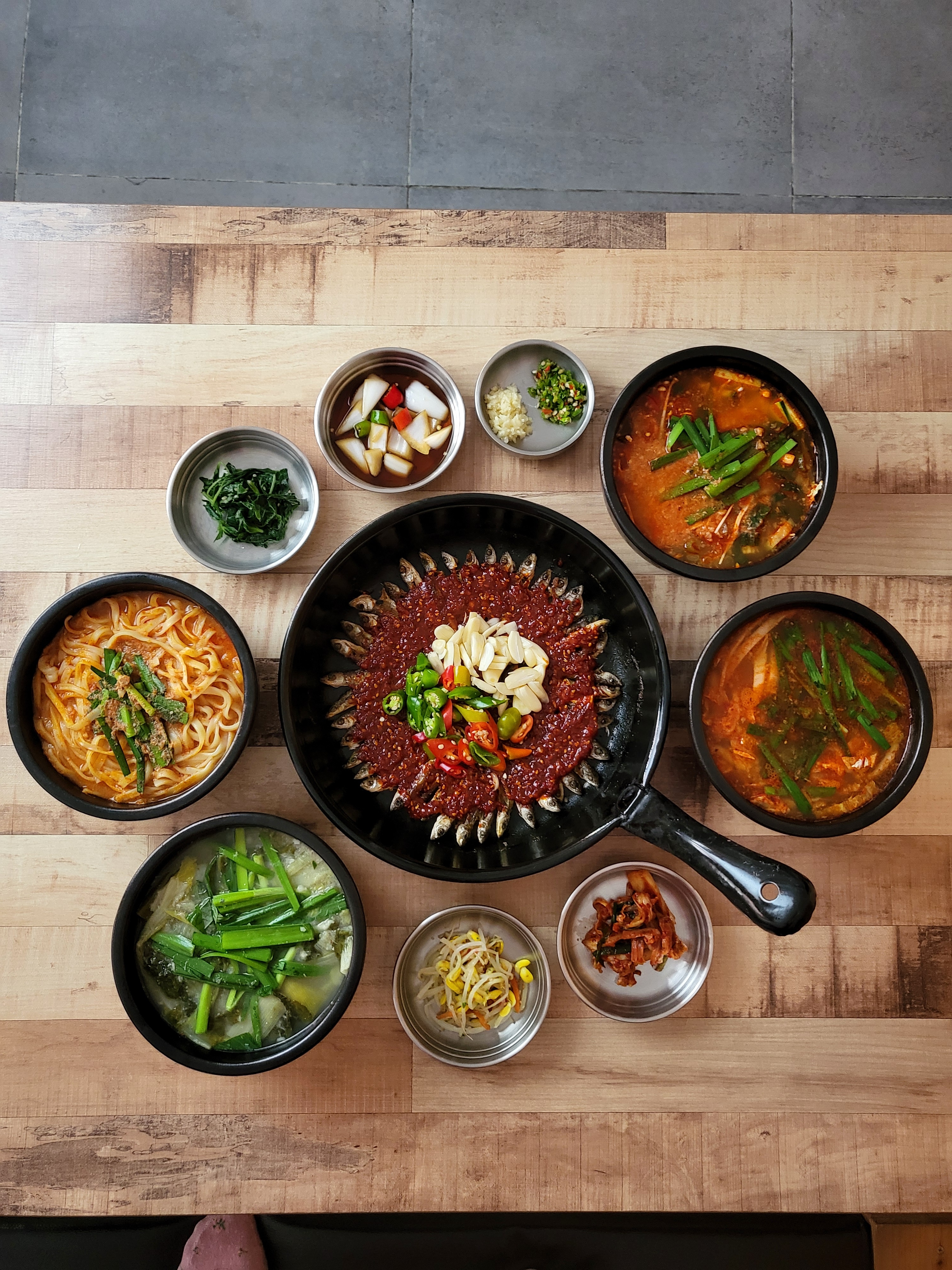
Why you've gotta visit: This place is regularly praised on Saengsong Today and other media as one of Seoul's top Ganjang Gejang restaurants. Jinmi Sikdang in Mapo-gu offers an unparalleled experience. Their crabs are meticulously selected and marinated to perfection, yielding a deep, complex flavor that'll have you craving more.
- What to order: The Ganjang Gejang set is definitely the way to go. It typically comes with an abundance of delicious side dishes (banchan) and a rich soybean paste stew (doenjang jjigae).
- Price range: Ganjang Gejang is a premium dish, so you're looking at around ₩40,000 - ₩50,000 per person for a set meal. Trust me, it's worth every won!
- How to get there: Take Seoul Metro Line 5 or 6 to Gongdeok Station (공덕역). It's about a 10-15 minute walk from the station.
- Best time to visit: Honestly, reservations are highly recommended, especially for dinner or weekend lunch, since it's such a popular spot.
Jeonju: The Traditional Heart's Rich & Rustic Roots
_rev-medium-size.jpg)
When you step into Jeonju, you're really stepping back in time. This charming city, famous for its beautifully preserved Hanok Village, is widely recognized as Korea's culinary capital. Jeonju cuisine is all about tradition, quality ingredients, and those deep, comforting flavors that reflect centuries of gastronomic heritage. If you're looking for authentic, unpretentious Korean food at its finest, Jeonju is honestly your ultimate destination.
Must-Try Jeonju Classics
- Jeonju Bibimbap: This isn't just any bibimbap – it's THE bibimbap. Jeonju's version is celebrated for its precise arrangement of fresh, colorful vegetables, high-quality beef, and this signature bean sprout jelly (hwangpomuk), all served with a rich broth made from beef bones. It's literally a work of art and a feast for the senses.
- Kongnamul Gukbap (Bean Sprout Soup Rice): This might seem like a simple dish, but it's actually incredibly profound. This warm, comforting soup features a clear, savory broth, tons of crunchy bean sprouts, rice, and often a raw egg that cooks gently in the hot soup. It's the perfect hangover cure or a light, yet satisfying meal.
- Jeonju Makgeolli Alley: And here's the thing – this is a totally unique dining experience! Instead of ordering dishes individually, you order a kettle of makgeolli (traditional Korean rice wine), and with each subsequent kettle you order, a whole new array of delicious, rustic side dishes (anju) appears at your table – from pancakes and grilled fish to stews and salads.
Our Jeonju Pick: Hankookjib (한국집)
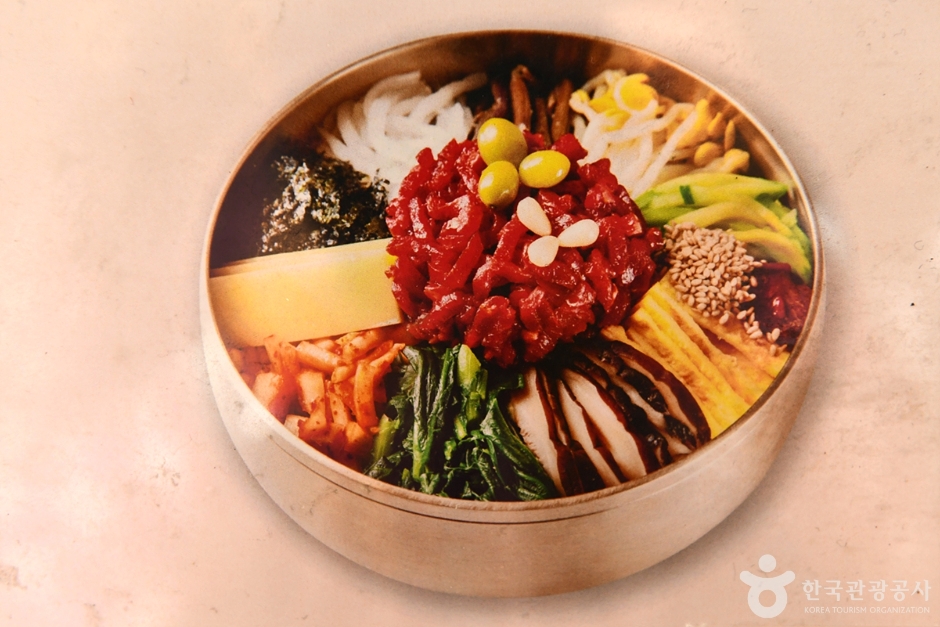
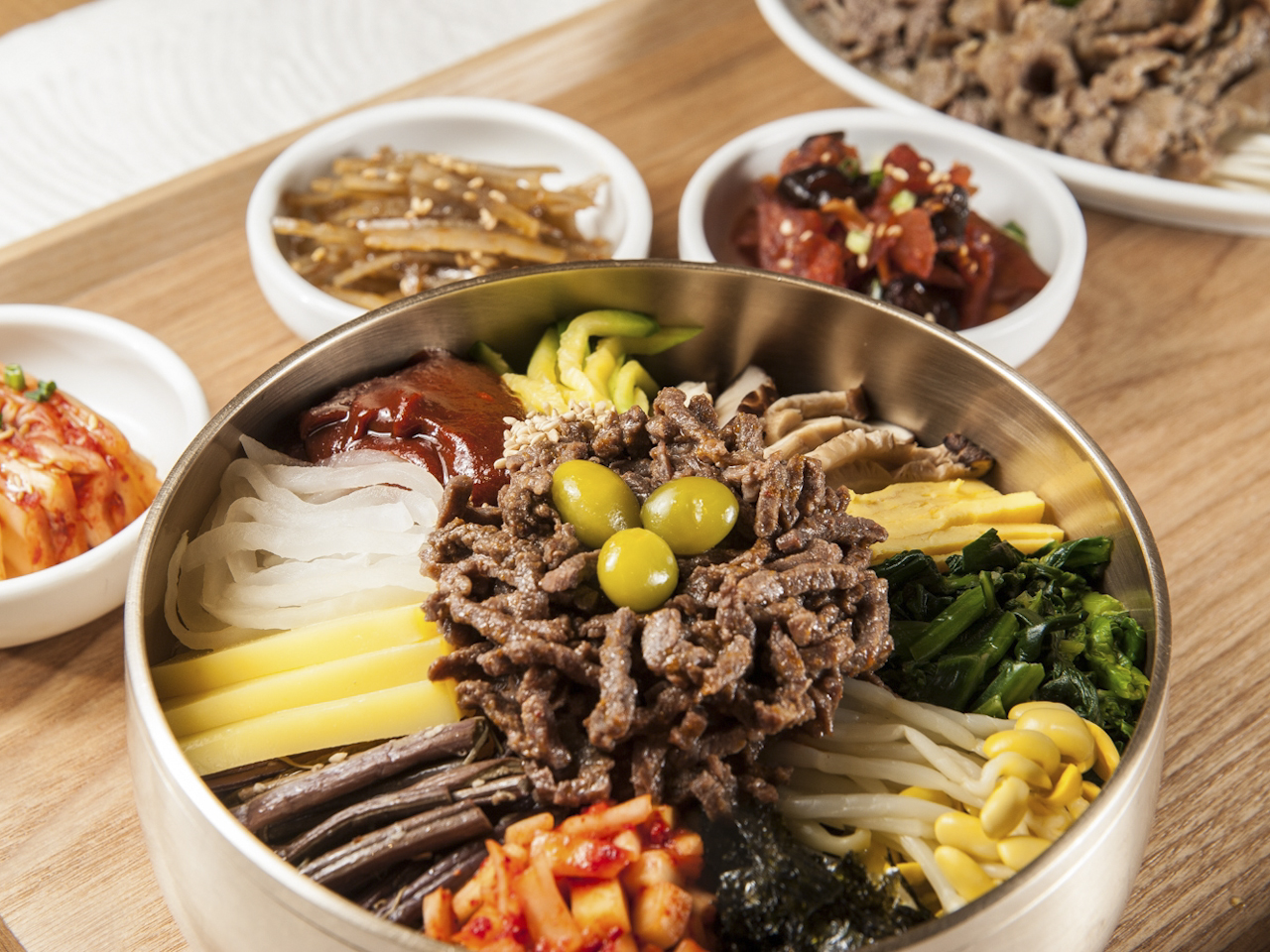
Why you've gotta visit: Considered one of the oldest and most authentic Bibimbap restaurants in Jeonju, Hankookjib has been serving its iconic dish since 1952. It's been featured on numerous TV shows and recognized by the Michelin Guide, and honestly, their dedication to traditional methods and premium ingredients really shines through in every single bite.
- What to order: The Jeonju Bibimbap, obviously! But you can also try their Dol Sot Bibimbap (stone pot bibimbap) if you want that crispy rice bottom.
- Price range: Bibimbap usually runs you around ₩12,000 - ₩15,000.
- How to get there: Hankookjib is conveniently located right within the Jeonju Hanok Village (전주한옥마을). It's easily accessible by bus or a short taxi ride from Jeonju Station.
- Best time to visit: Go for lunch or an early dinner to skip the longest queues, especially on weekends. It's a great spot to refuel after exploring the Hanok Village.
Busan vs Seoul vs Jeonju: A Quick Culinary Comparison
| City | Signature Flavors | Must-Try Dishes | Overall Vibe | Perfect For |
|---|---|---|---|---|
| Busan | Bold, fresh, savory, sometimes spicy, seafood-centric | Dwaeji Gukbap, Milmyeon, Eomuk, Ssiat Hotteok | Energetic, authentic, coastal charm | Seafood lovers, those seeking hearty comfort food, street food adventurers |
| Seoul | Diverse, refined, trendy, fusion, global influences | Ganjang Gejang, Budae Jjigae, Korean BBQ, innovative fine dining | Cosmopolitan, endless choices, culinary innovation | Foodies who love variety, upscale dining, modern interpretations, K-pop fan experiences |
| Jeonju | Traditional, deep, comforting, rustic, rich heritage | Jeonju Bibimbap, Kongnamul Gukbap, Makgeolli Alley feasts | Historic, charming, authentic, slow food movement | Culture seekers, traditionalists, those looking for classic Korean flavors, Hanok Village explorers |
Planning Your Multi-City Korean Food Adventure
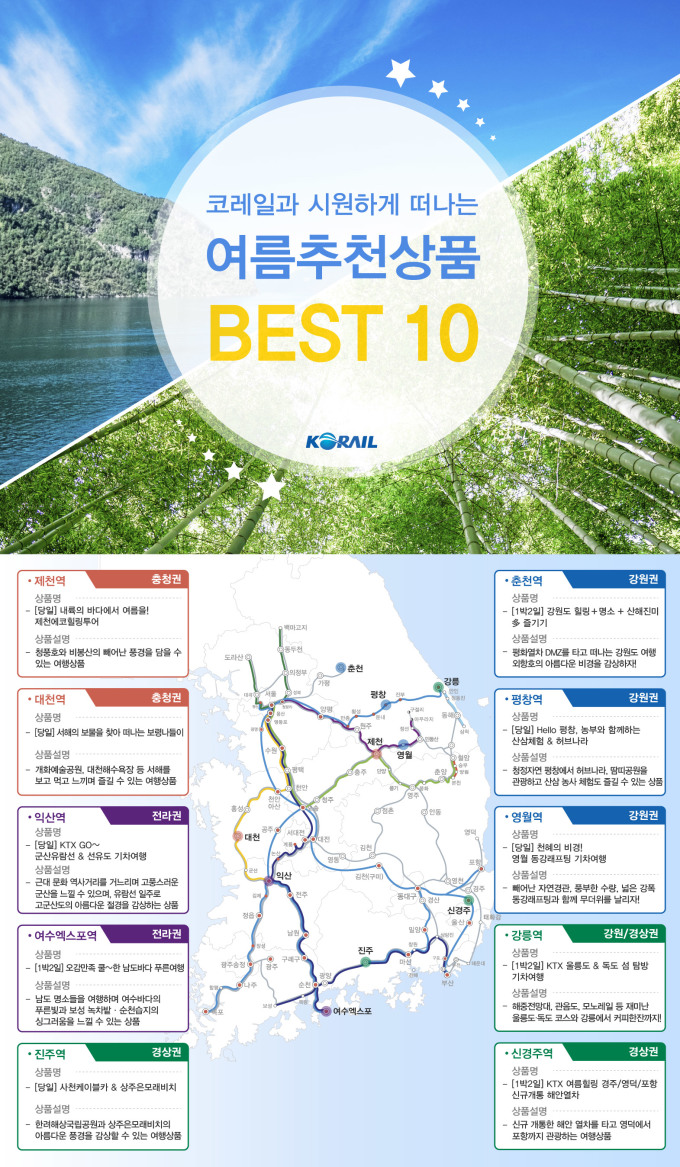
Can't pick just one? We totally don't blame you! Experiencing all three cities is absolutely doable and honestly, highly recommended for the ultimate Korean food journey. Korea's got this excellent KTX high-speed train network that makes traveling between these culinary hubs a total breeze.
- Seoul to Busan: About 2.5 - 3 hours by KTX.
- Seoul to Jeonju: About 1.5 - 2 hours by KTX.
- Busan to Jeonju: About 2.5 - 3 hours by KTX (sometimes requires a transfer at Daejeon or you can take an intercity bus).
Consider starting in Seoul, heading south to Jeonju, and then further south-east to Busan, or switch it up! Just make sure to book your KTX tickets in advance, especially during peak season!
💡 AI Travel Tip
Leverage AI tools to craft the perfect multi-city food itinerary!
-
Tailored Itinerary Generation:
Prompt example: "I am planning a 7-day trip to Korea focusing on food in Seoul, Busan, and Jeonju. I love spicy food and seafood, but my travel companion is vegetarian. Generate a detailed daily itinerary including specific restaurant recommendations (verified by Korean TV shows if possible), practical transport advice between cities (KTX), and estimated meal budgets. Start in Seoul, then Jeonju, then Busan."
-
Dietary Restriction Navigation:
Prompt example: "I will be in Busan for 3 days and need vegetarian-friendly restaurants that offer traditional Korean dishes. Suggest 5 places, mention specific menu items, and their approximate locations or nearest subway stations. Prioritize places known for fresh, local ingredients."
-
Dish Deep Dive & Pronunciation:
Prompt example: "Explain the cultural significance of Jeonju Bibimbap, including its traditional ingredients and how it differs from other regions' bibimbap. Also, provide a simple phonetic guide for 'Jeonju Bibimbap' and 'Kongnamul Gukbap' for English speakers."