Jeonju: Korea's Food Capital — A Complete Planning Guide
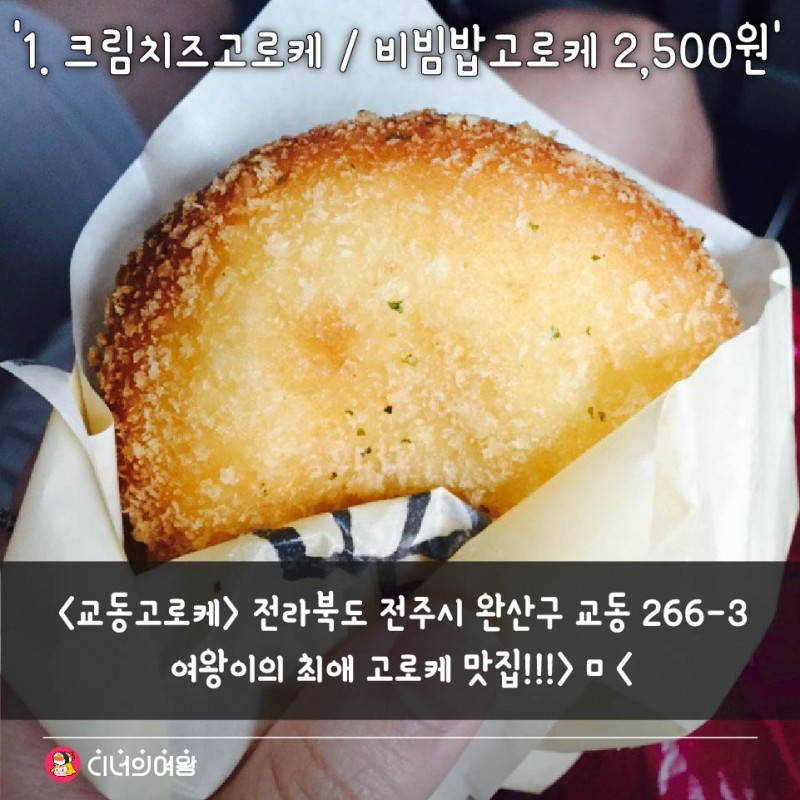
Picture this: you've seen countless mesmerizing bowls of bibimbap in K-dramas, vibrant banchan spread across traditional tables, and lively markets bustling with mouth-watering street food. But here's the thing – what if I told you there's one place in Korea where these culinary dreams aren't just a scene, but the actual heart and soul of the city? A place so steeped in gastronomic tradition that it's officially called Korea's Food Capital?
Welcome to Jeonju – and trust me, you're going to love this. It's not just another K-drama set; it's a city that'll satisfy all your cravings for authentic culture while sending your taste buds on an unforgettable adventure! Forget what you think you know about Korean food; Jeonju is where it all actually began, and where the most iconic dishes perfected their craft. Ready to plan your culinary pilgrimage? Let's dive in!
Why Jeonju is Korea's Food Capital (and Your Next Must-Visit!)
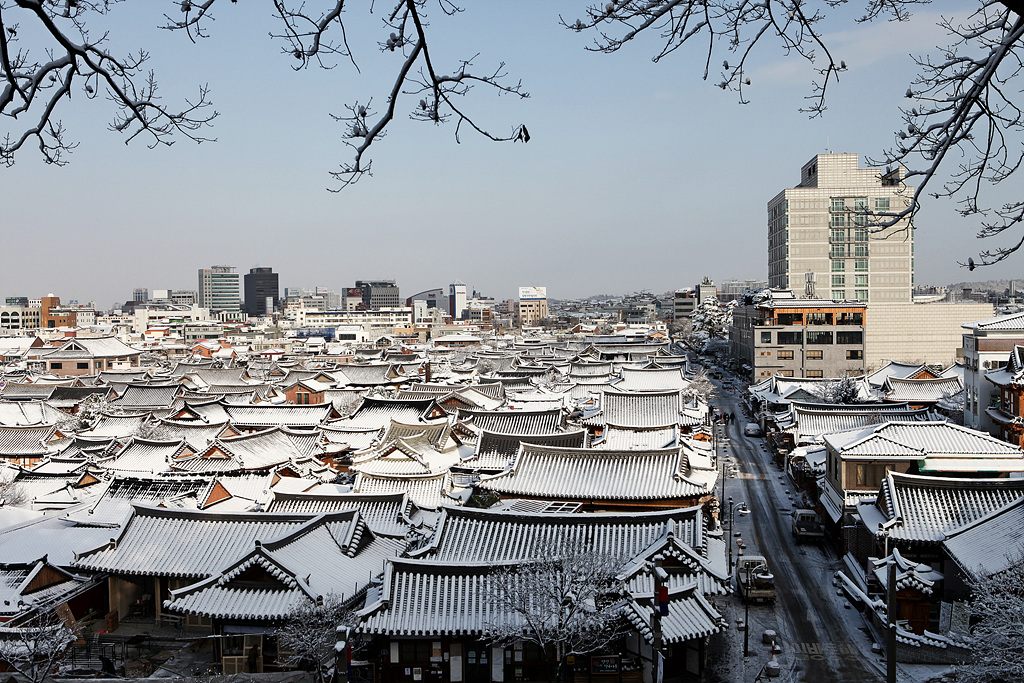
Jeonju, nestled in the southwestern part of South Korea, isn't just a charming city with a beautiful traditional Hanok Village – it's a designated UNESCO City of Gastronomy, and it wears that badge with pride! Why? Thanks to its incredibly rich agricultural heritage, diverse local ingredients, and centuries-old culinary traditions. This isn't just about eating; it's about experiencing the actual history, craftsmanship, and soul of Korean cuisine. From the legendary Jeonju Bibimbap to heartwarming Kongnamul Gukbap, every single dish tells a story – the kind you'll often see verified and celebrated on beloved Korean shows like Saengsaeng Jeongbotong and Saengsong Today.
Whether you're a first-timer to Korea or a seasoned traveler looking for something deeper – you know, authentic culture beyond Seoul – Jeonju offers a unique blend of historical charm, vibrant street life, and of course, unparalleled food experiences. It's genuinely the perfect destination for K-drama fans craving to walk through living history, and for K-pop fans ready to fuel up on delicious eats before their next concert.
Getting to Jeonju: Your Journey to Culinary Bliss

Getting to Jeonju from Seoul is super easy – it's honestly the perfect weekend getaway. You've got a couple of solid options, depending on what matters more to you: saving money or saving time.
From Seoul to Jeonju: KTX vs. Express Bus
| Mode of Transport | Travel Time (Approx.) | Cost (Approx. KRW) | Departure Point (Seoul) | Pros | Cons |
|---|---|---|---|---|---|
| KTX (High-Speed Train) | 1 hour 40 minutes - 2 hours | 35,000 - 38,000 | Yongsan Station | Fastest, comfy, scenic views | A bit pricier, need to book ahead – especially on weekends |
| Express Bus | 2 hours 40 minutes - 3 hours | 20,000 - 25,000 | Seoul Express Bus Terminal (Central City) or Nambu Bus Terminal | Budget-friendly, tons of departures, spacious seating (Premium option available) | Takes longer, traffic can throw you off schedule |
Travel Tip: Booking KTX tickets? Hit up Korail's English website or grab them at the station. For express buses, just head to the terminal. And here's a pro tip – if you're going on a weekend or public holiday, book your tickets a few days ahead. Trust me, you don't want to get stuck without a seat!
Jeonju's Must-Try Culinary Masterpieces

Okay, this is it – the main event! Jeonju's reputation as a food capital isn't just hype; it's backed by dishes that have stood the test of time and gotten featured on tons of TV shows. Get your palate ready!
The Legendary Jeonju Bibimbap
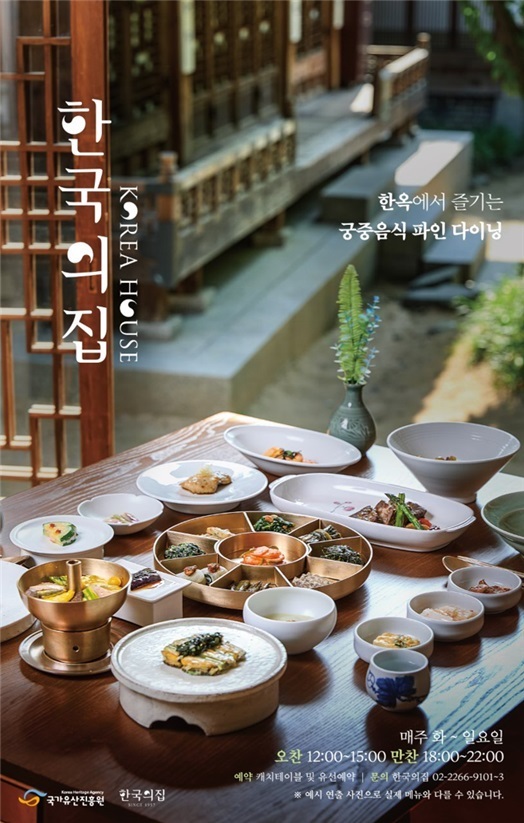
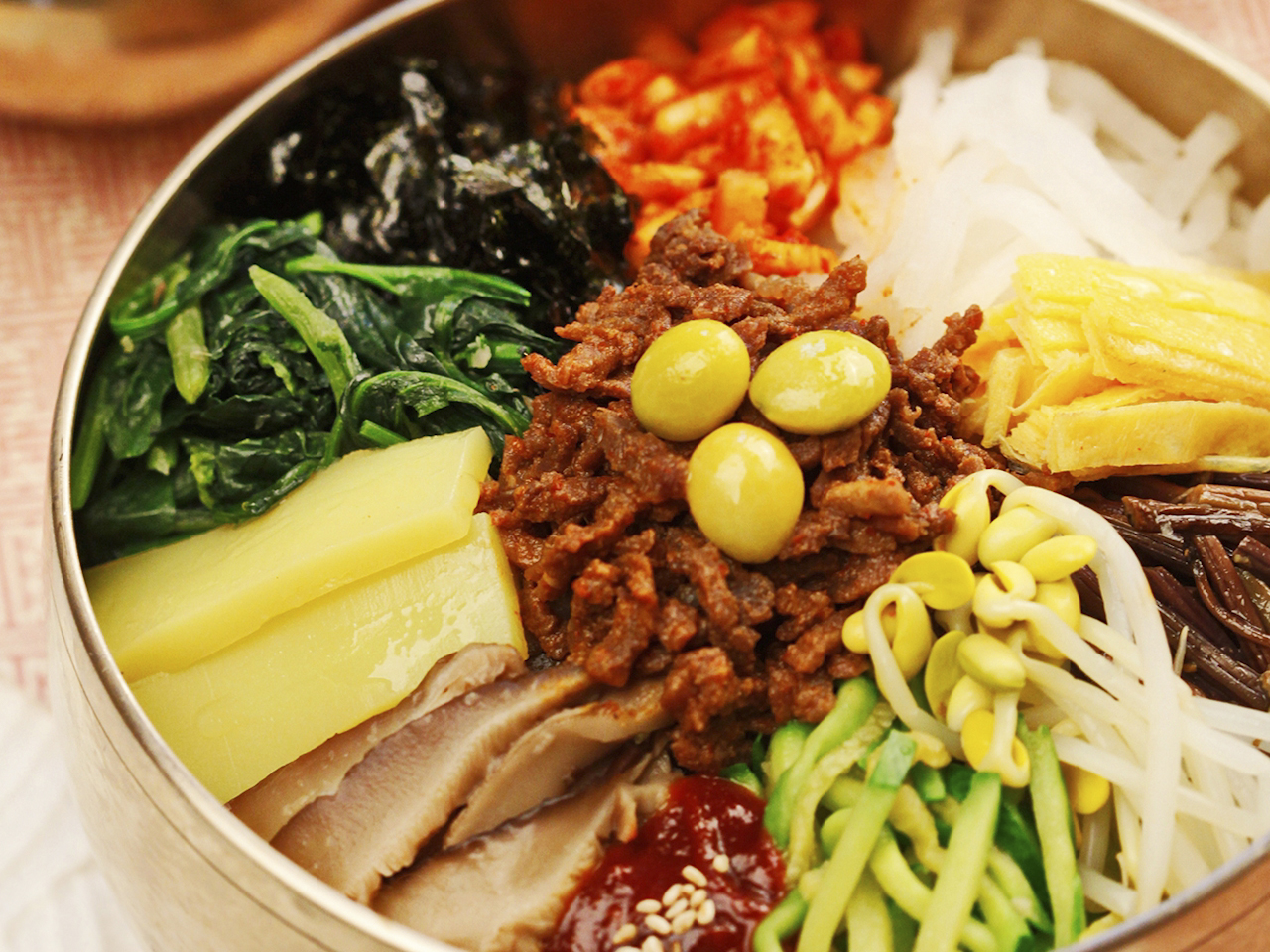
You literally can't visit Jeonju without trying its signature dish: Bibimbap. But and here's the thing – this isn't just any bibimbap. Jeonju Bibimbap is an absolute art form. What makes it special? It's all about that bean sprout jelly (hwangpomuk), seasoned raw beef (yukhoe), and a vibrant array of local vegetables, all mixed with gochujang and served in a brass bowl. Oh, and the rice? It's cooked in beef broth, which adds an unparalleled depth of flavor you won't forget.
Where to find it: Hanguk Jip (한국집)
One of the oldest and most famous bibimbap restaurants in Jeonju, Hanguk Jip has been serving its iconic dish for generations. It's genuinely a culinary landmark, often featured on shows like Yuksi Naegohyang, and totally worth the visit for its traditional vibe and authentic flavors.
Price Range: 15,000 - 20,000 KRW per bowl.
What to order: Jeonju Bibimbap (전주비빔밥), obviously!
Heartwarming Kongnamul Gukbap (Bean Sprout Soup with Rice)
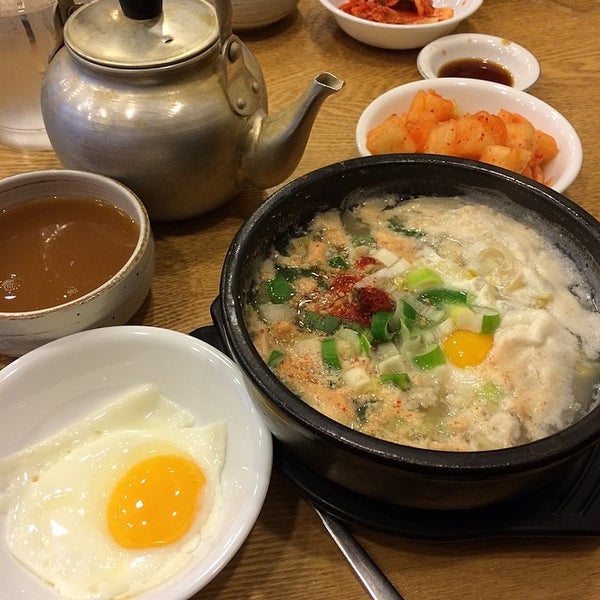
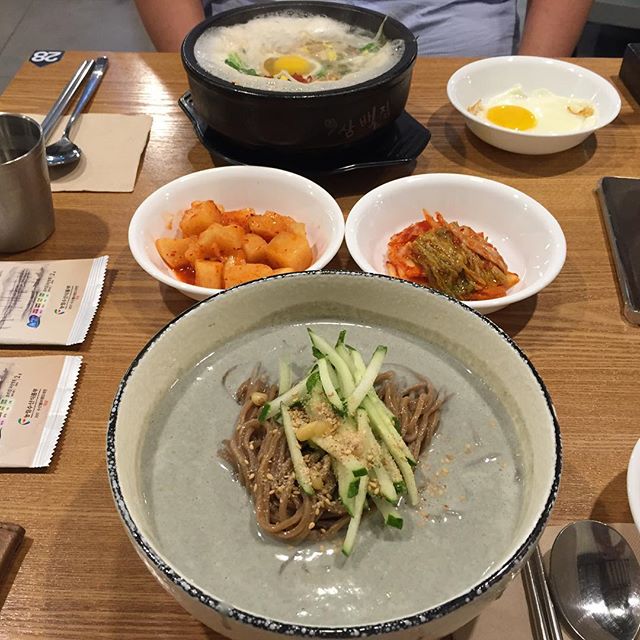
Perfect for a chilly morning or after a long day of exploring – Kongnamul Gukbap is basically Jeonju's soul food. This simple yet super profound dish features rice, bean sprouts, and often a poached egg, all steeped in a clear, refreshing broth. You add your own seasoned shrimp (saeujeot) and chili peppers to taste. It's famous as a hangover cure, but honestly? It's delicious any time of day.
Where to find it: Sambaekjip (삼백집)
Sambaekjip is another Jeonju institution, known for its rich history and consistently delicious Kongnamul Gukbap. Its name means "three hundred house" – the owner pledged to serve only 300 bowls a day to ensure quality. It's been featured on tons of food programs, and it's basically the definition of simple perfection.
Price Range: 8,000 - 10,000 KRW per bowl.
What to order: Kongnamul Gukbap (콩나물국밥), and don't forget to grab their crispy fried dumplings too!
The Unique Jeonju Makgeolli Alley Experience
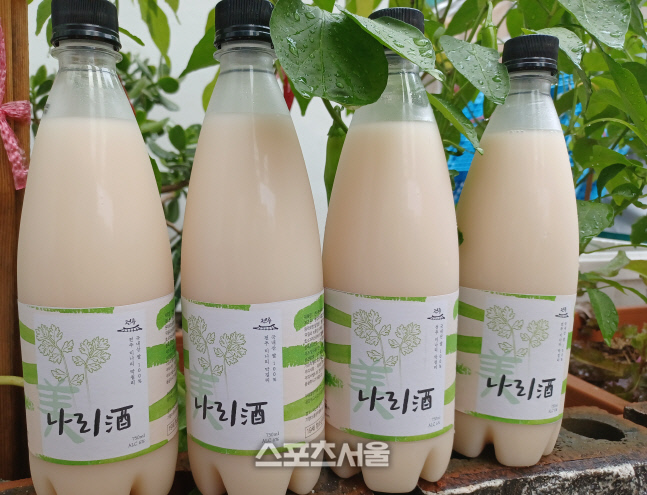
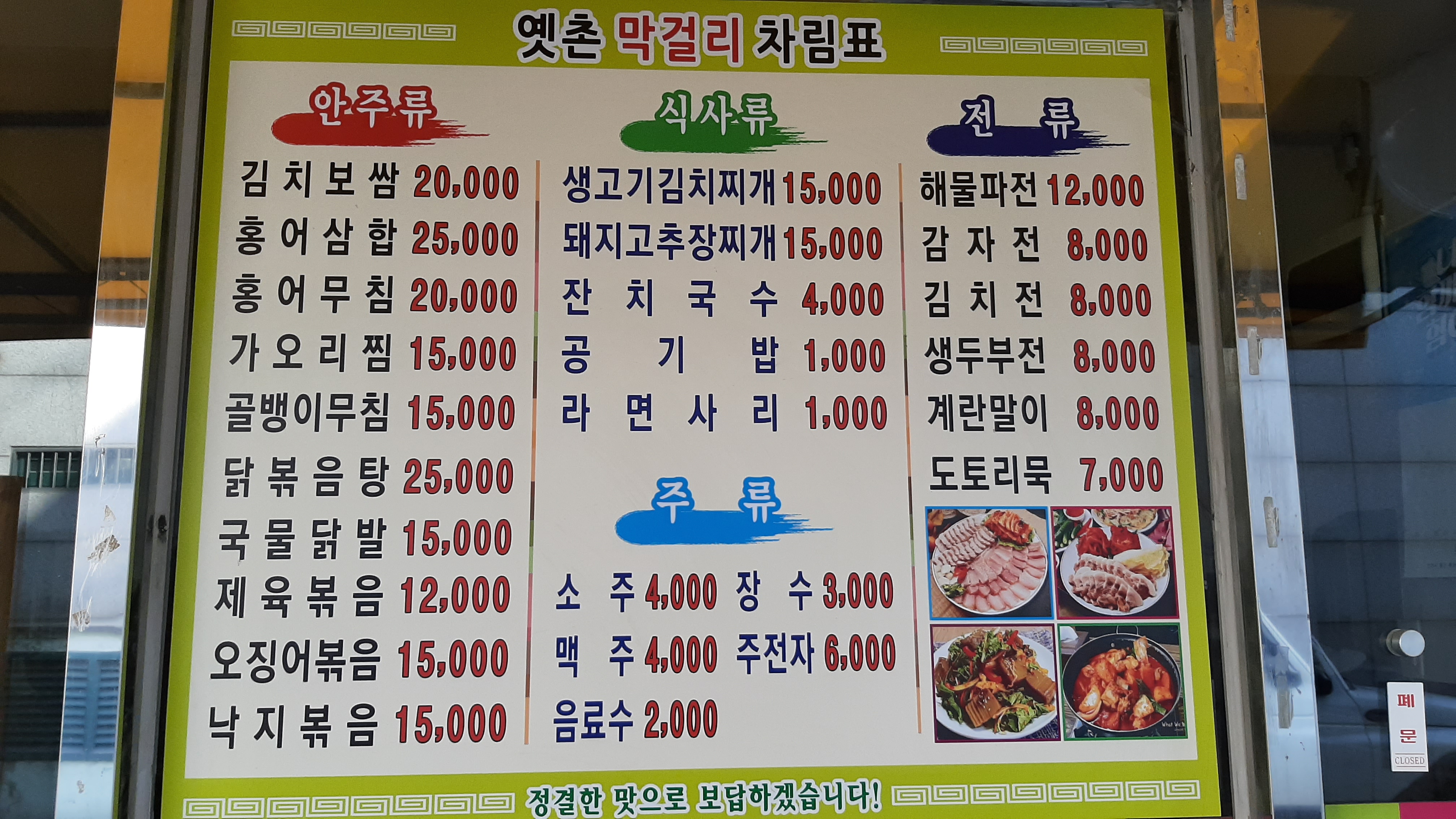
If you're into Korean alcohol, Jeonju's Makgeolli Alley is genuinely a unique cultural experience. Here's how it works – instead of ordering dishes individually, you order a "주전자" (jujeonja - a kettle) of makgeolli, and boom – a whole bunch of side dishes (안주 - anju) just start appearing on your table! The more kettles you order, the more lavish the spread becomes. We're talking everything from pancakes and fried fish to stews and raw seafood. It's truly a feast!
Where to find it: Yet Chon Makgeolli (옛촌막걸리)
One of the most popular spots in Jeonju's Makgeolli Alley, Yet Chon Makgeolli offers an authentic and lively vibe. The atmosphere is bustling with energy, and the food spread is incredibly generous – it's perfect for groups and definitely worth checking out.
Price Range: ~25,000 - 60,000 KRW per makgeolli set, depending on how many kettles you order.
What to order: Just grab a kettle of makgeolli (막걸리), and let the feast begin!
Street Food Delights at Jeonju Hanok Village & Nambu Market
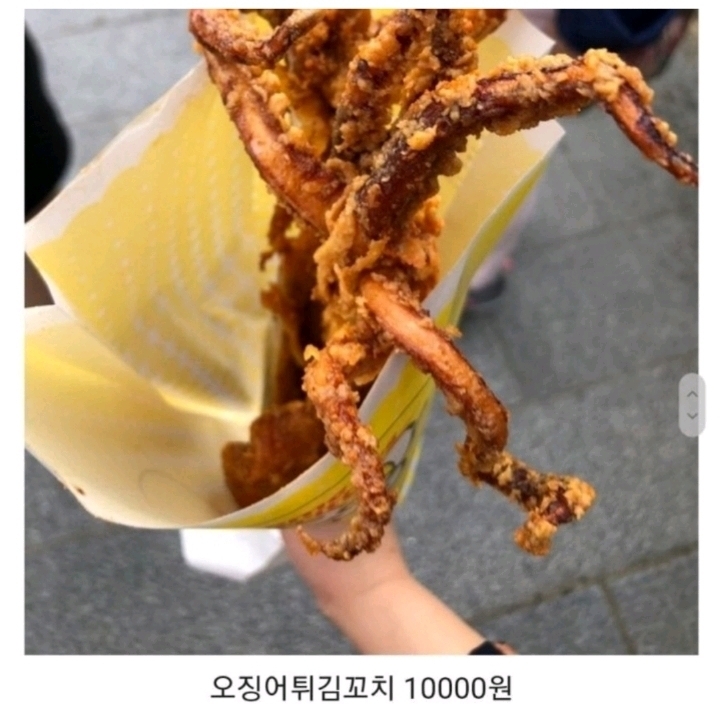
But wait – it gets better! Beyond the sit-down restaurants, Jeonju is basically a paradise for street food lovers. The Hanok Village buzzes with stalls offering modern twists on traditional snacks, while Nambu Market is packed with authentic, hearty options.
- Jeonju Choco Pie: A local specialty you'll find at PNB Bakery – it's a delightful chocolate-covered cake with cream and strawberry jam that'll blow your mind.
- Skewered Cheese: Grilled cheese on a stick, drizzled with sweet condensed milk – it sounds wild, but the combo is genuinely surprising and delightful.
- Pajeon (Green Onion Pancake): Crispy, savory pancakes, usually with seafood mixed in – perfect pairing with makgeolli.
- Mandu (Dumplings): Steamed or fried, often packed with kimchi or pork – comfort food at its best.
- Dakkochi (Chicken Skewers): Grilled chicken glazed with savory or spicy sauces – you can't go wrong here.
Beyond the Plate: Exploring Jeonju's Charms
Okay, and here's the best part – food is definitely the highlight, but Jeonju has so much more to offer. You're going to have a rich cultural experience that'll make your whole trip even more memorable.
Jeonju Hanok Village
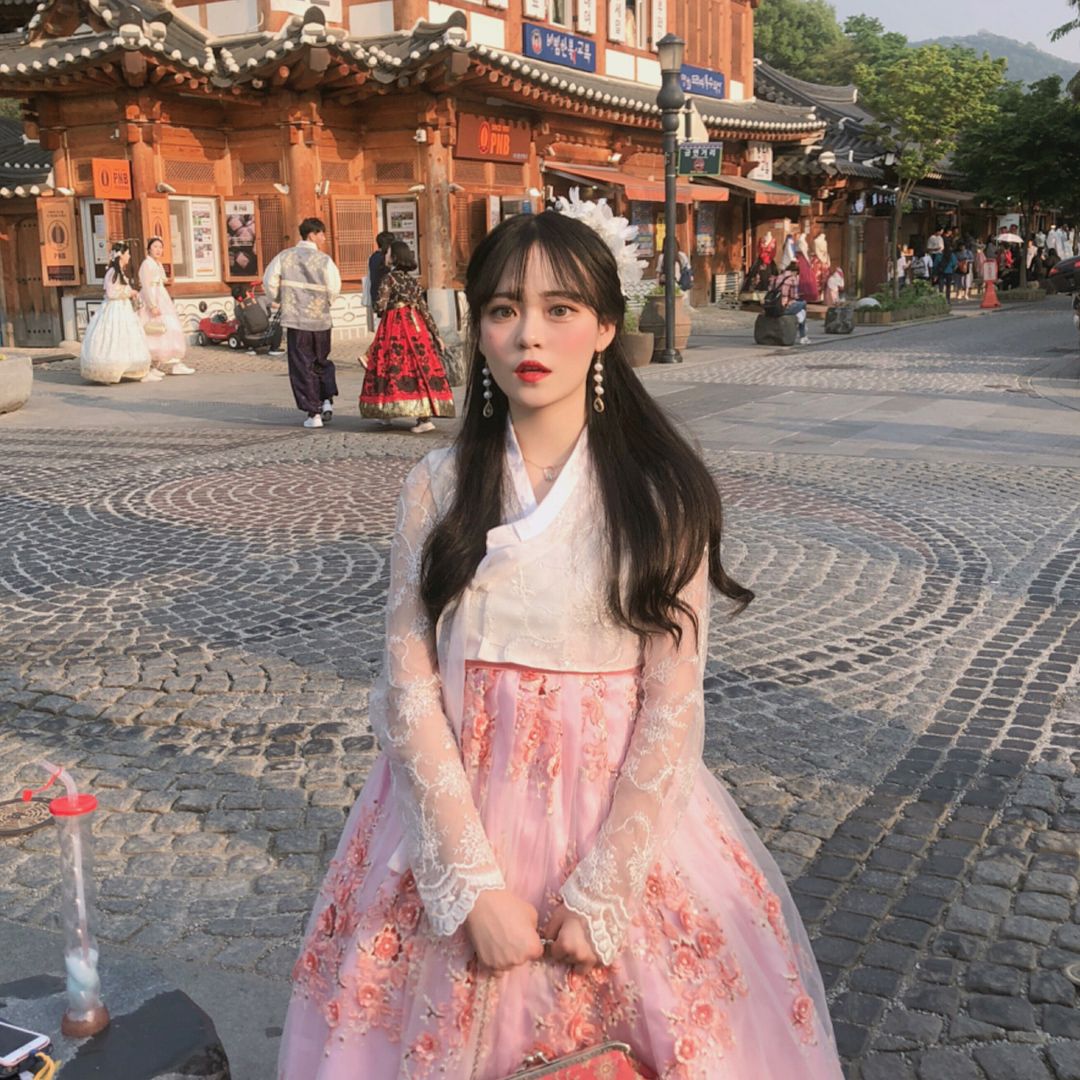
This beautifully preserved village is home to over 800 traditional Korean houses (hanok). Wander through its narrow alleyways, rent a hanbok for some seriously gorgeous photos, explore traditional craft shops, and sip tea at a charming hanok cafe. Honestly? It feels like you're stepping straight into a K-drama set!
Nambu Market (Southern Market)
This bustling traditional market is where you'll find literally everything – fresh produce, local ingredients, and seriously delicious street food. Don't miss the "Youth Mall" (청년몰) on the second floor; it's a trendy spot with unique shops and eateries run by young entrepreneurs. And if you can swing it, hit up the Night Market (야시장) on Fridays and Saturdays – it's incredibly vibrant and honestly not to be missed!
Omokdae & Gyeonggijeon Shrine
For some history plus stunning views, climb up to Omokdae, a vantage point that gives you panoramic views of the entire Hanok Village. Nearby, Gyeonggijeon Shrine houses the portrait of King Taejo (the founder of the Joseon Dynasty) and offers serene grounds perfect for a peaceful stroll.
Best Time to Visit Jeonju
Jeonju is honestly beautiful year-round, but certain seasons really shine and offer their own unique advantages:
- Spring (April-May): The weather's pleasant, you've got cherry blossoms in early April, and vibrant greenery everywhere. It's ideal for wandering around and exploring.
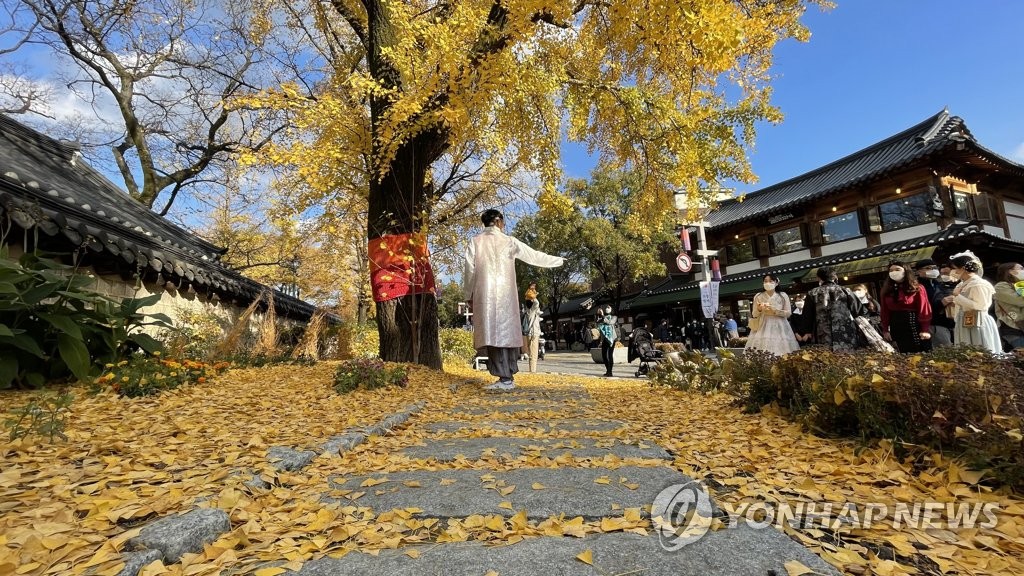
- Autumn (October-November): Crisp air, stunning fall foliage (especially around Omokdae), and comfy temperatures. This is generally considered the best time to visit – spoiler: totally worth it.
- Summer (June-August): Hot and humid, but lots of festivals happen. If you don't mind the heat, the vibe can be really lively and fun.
- Winter (December-March): It gets cold, but the Hanok Village covered in snow? It's pure magic – totally tranquil and beautiful with fewer crowds.
Practical Tips for Your Jeonju Adventure
- Navigation: The Jeonju Hanok Village is super walkable and easy to navigate. For areas outside the village, taxis are everywhere and really affordable. Grab the Kakao T app (taxi app) – it's incredibly useful.
- Accommodation: Consider staying in a traditional Hanok Guesthouse right in the village if you can – it's genuinely a fully immersive experience. Just book way ahead of time, especially if you're going on weekends.
- Language: English menus are pretty common in tourist spots, but having a translation app (like Papago) will definitely help, especially at smaller eateries or in traditional markets.
- Payment: Credit cards work almost everywhere, but keep some cash on hand for street food stalls and traditional markets – some places are cash-only.
- Dress Comfortably: You'll be doing tons of walking, so comfortable shoes are an absolute must!
Jeonju is honestly more than just a destination; it's an invitation to actually savor the authentic flavors and deep-rooted traditions of Korea. So pack your bags, prepare your appetite, and get ready to create some unforgettable memories in Korea's true Food Capital. Trust us, your taste buds will definitely thank you!
💡 AI Travel Tip
Unlock the full potential of your Jeonju trip planning with AI! Use these prompts to get personalized recommendations and detailed itineraries.
- For detailed restaurant info: Ask for specific dish recommendations and operating hours.
- For cultural immersion: Get suggestions for unique activities in the Hanok Village beyond just walking around.
Prompt example: "I am going to Jeonju in October. Please give me a 2-day itinerary focused on food, including specific restaurant names and their signature dishes mentioned on Korean TV shows like Saengsaeng Jeongbotong or Yuksi Naegohyang. Also, include travel times and estimated costs between locations."
Prompt example: "I will be visiting Jeonju Hanok Village. Suggest 3 unique cultural activities I can do besides