Jeju Island Food Guide: TV-Verified Local Spots You Must Visit

Exploring Jeju's Culinary Soul: Your TV-Verified Food Guide!
Picture this: you've just landed on an island paradise where emerald waters kiss dramatic volcanic cliffs, and the air smells faintly of the sea and something deliciously sizzling. Welcome to Jeju Island, South Korea's beloved "Island of the Gods" — a UNESCO World Heritage site that's just as famous for its breathtaking landscapes as it is for its utterly unique cuisine. But here's the thing: with so many places to eat, how do you know where to find the truly authentic, mind-blowing flavors that locals rave about? Especially when you're craving those dishes you've seen K-drama characters devour with gusto?
Fear not, fellow food adventurers! We've done the legwork (and the delicious eating!) for you. We've scoured the island hunting down not just popular spots, but those hidden gems and iconic eateries that've earned the ultimate stamp of approval: a feature on Korea's most beloved food and travel TV shows like Saengsaeng Jeongbotong, Saengsong Today, and Yuksi Naegohyang. These are the places where flavor meets tradition, verified by the discerning palates of national television. Ready for this? Get ready to embark on a culinary journey that'll tantalize your taste buds and deepen your love for all things Jeju!
The Undisputed King: Jeju Black Pork (흑돼지)

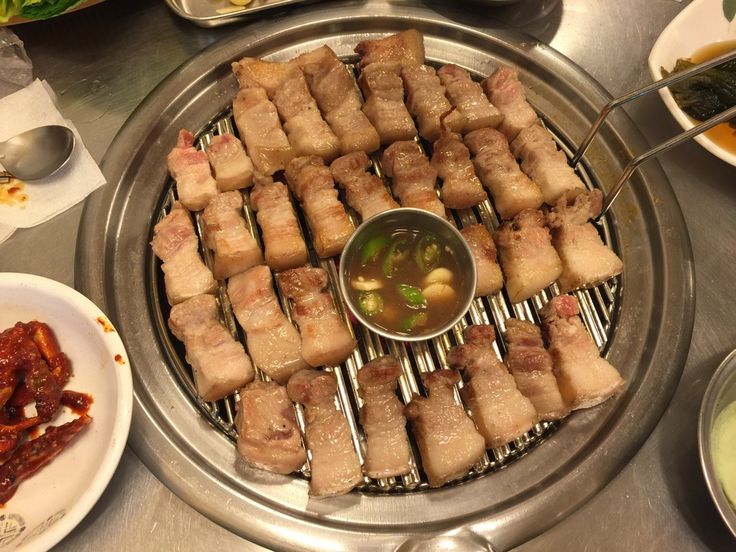
If there's one dish that screams "Jeju," it's the succulent, smoky, utterly irresistible Black Pork. You've got to try this — it's unique to the island. Jeju's native black pigs are known for their distinctively rich flavor and chewy texture, all thanks to their free-range lifestyle and special diet. This isn't just any pork belly; it's an experience, grilled to perfection right at your table, usually with kimchi, garlic, and mushrooms, then wrapped in fresh perilla or lettuce leaves with a dollop of ssamjang. Pure bliss!
돈사돈 (Donsadon)

When it comes to Jeju Black Pork, Donsadon is practically legendary. It's been featured countless times on shows like Saengsaeng Jeongbotong and even beloved by celebrities — this restaurant has absolutely perfected the art of grilling black pork. The vibe? Bustling, lively, and authentically Korean. Expect a queue, but trust me, it's worth every minute of the wait.
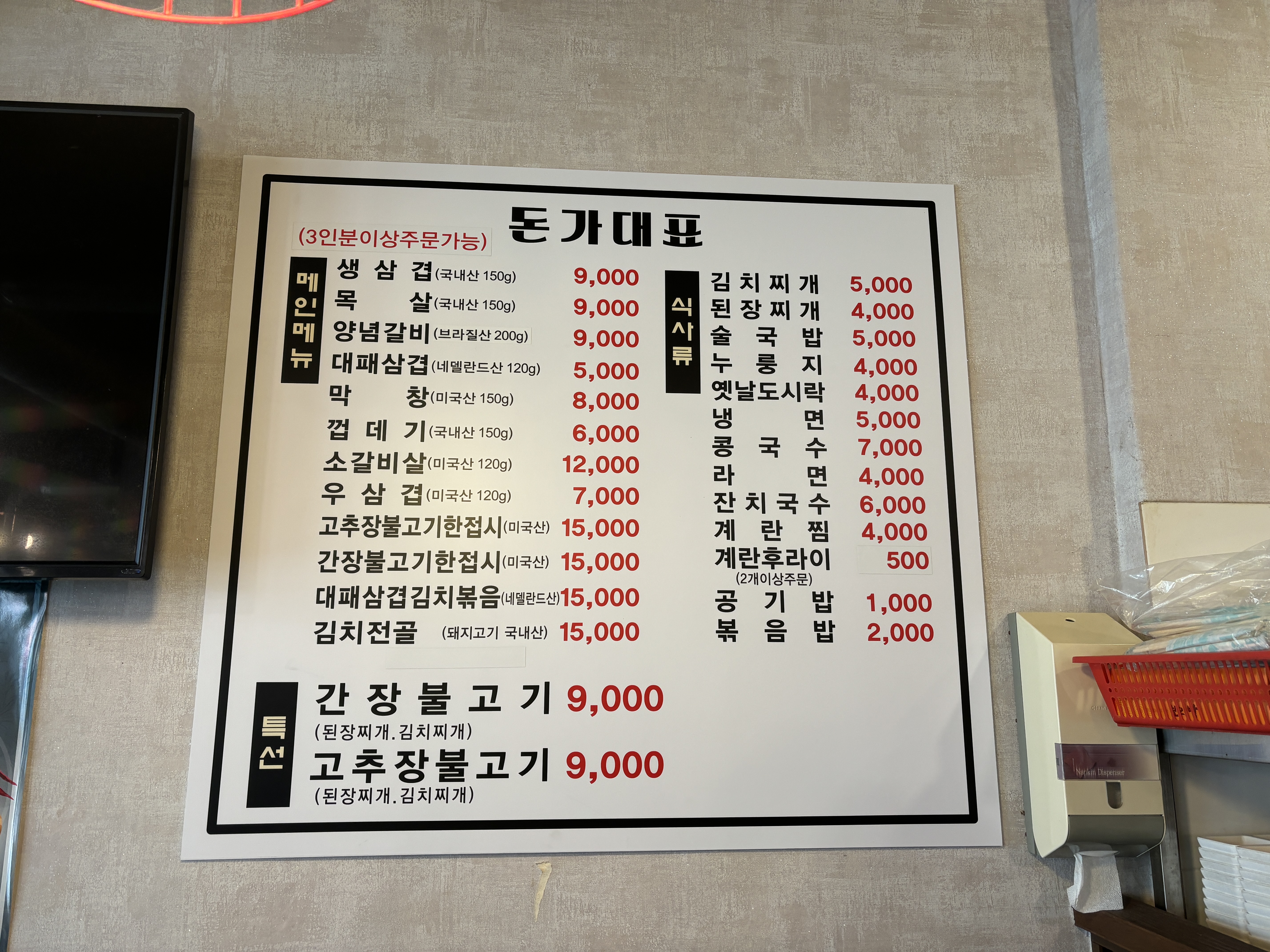
- What to Order: Their signature Heukdwaeji Ohgyeopsal (흑돼지 오겹살 – five-layered black pork belly) and Heukdwaeji Moksal (흑돼지 목살 – black pork neck). The servers are experts at grilling, so just sit back and let them work their magic!
- Price Range: You're looking at around ₩18,000 - ₩22,000 per 200g serving. It's an indulgence, but a necessary one!
- How to Get There: Donsadon's got several branches, but the original Nohyeong branch (노형점) near Jeju City is the most famous. A taxi or bus from Jeju International Airport'll get you there in about 15-20 minutes.
- KoreaSpots Tip: Go early, especially for dinner, to dodge the longest queues. Don't forget to order a side of Kimchi Jjigae (kimchi stew) or Doenjang Jjigae (soybean paste stew) to complement the rich pork. And of course, grab a bottle of Jeju's local Hallasan Soju!
Jeju's Ocean Bounty: Fresh Seafood Delights (해산물)
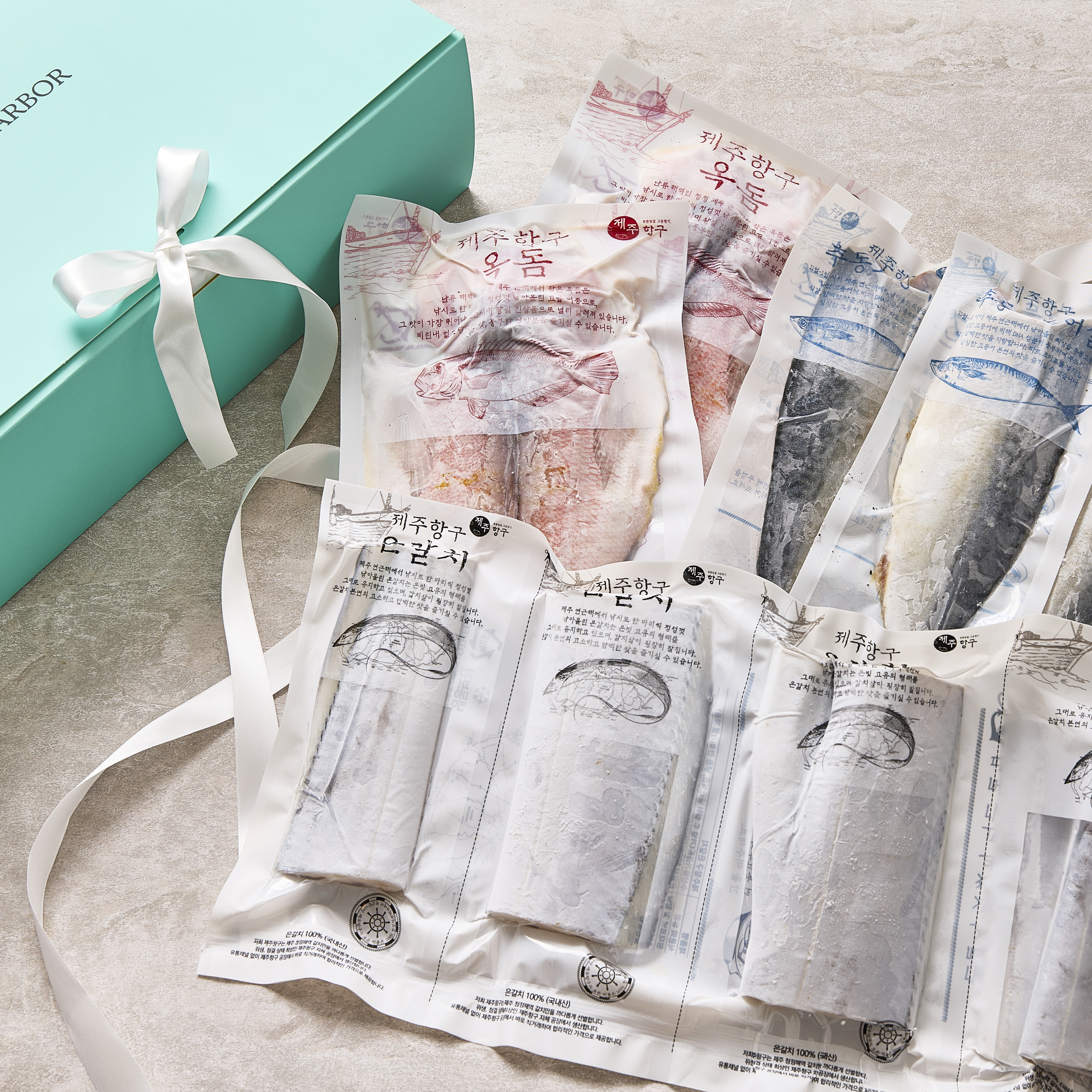
Surrounded by the pristine waters of the Pacific, Jeju Island is basically a seafood lover's paradise. From delicate white fish to plump abalone, the ocean's got a cornucopia of flavors waiting for you. Two dishes stand out as absolute must-tries: Galchi Jorim (braised hairtail fish) and Okdom Gui (grilled sea bream).
춘심이네 (Chunsimine)
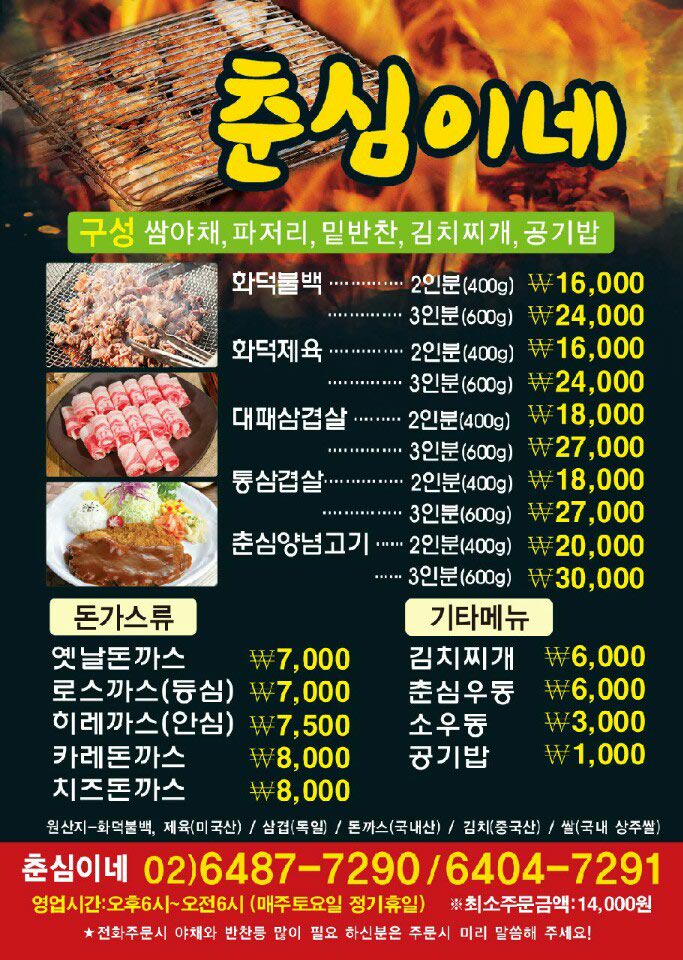

Chunsimine is practically synonymous with Galchi Jorim — it's been featured on Saengsong Today and other programs for its incredibly long and succulent braised hairtail. They specialize in a whole-fish experience, often serving the entire hairtail in one impressive pot, simmered in a spicy, savory, and slightly sweet sauce with radishes and potatoes. The sheer size of the fish and the tenderness of the meat? Truly unforgettable.
- What to Order: The Tong Galchi Jorim (통갈치조림 – whole braised hairtail) is their signature, but they've also got Tong Galchi Gui (통갈치구이 – whole grilled hairtail) if you're in the mood for something less spicy. Consider grabbing the set menu for a fuller experience with various side dishes.
- Price Range: Galchi Jorim can be quite pricey — you're looking at anywhere from ₩60,000 for a small portion to over ₩100,000 for a large whole fish (perfect for 3-4 people). It's definitely a special meal!
- How to Get There: Chunsimine Main Branch (본점) is located in Seogwipo, near the beautiful Sanbangsan Mountain and Yongmeori Coast. Best to grab a taxi or rent a car from Seogwipo city to get there.
- KoreaSpots Tip: The staff'll help debone the fish for you, making it super easy to enjoy. Pair it with a bowl of warm rice — the sauce is perfect for mixing in!
Here's a quick comparison of Jeju's iconic seafood dishes:
| Dish Name | Description | Typical Price (per person) | Flavor Profile |
|---|---|---|---|
| Galchi Jorim (갈치조림) | Braised hairtail fish in a spicy, savory, slightly sweet sauce with radish. | ₩30,000 - ₩50,000 (part of a larger meal) | Spicy, savory, umami, tender |
| Okdom Gui (옥돔구이) | Grilled tilefish (sea bream), often lightly salted. Jeju's premium white fish. | ₩25,000 - ₩40,000 | Subtly sweet, firm, flaky, savory |
| Jeonbok Tukbaegi (전복뚝배기) | Abalone hot pot, usually with other seafood and a clear, refreshing broth. | ₩15,000 - ₩25,000 | Rich seafood broth, chewy abalone, clean |
Beyond the Mainstream: Unique Local Flavors (향토음식)
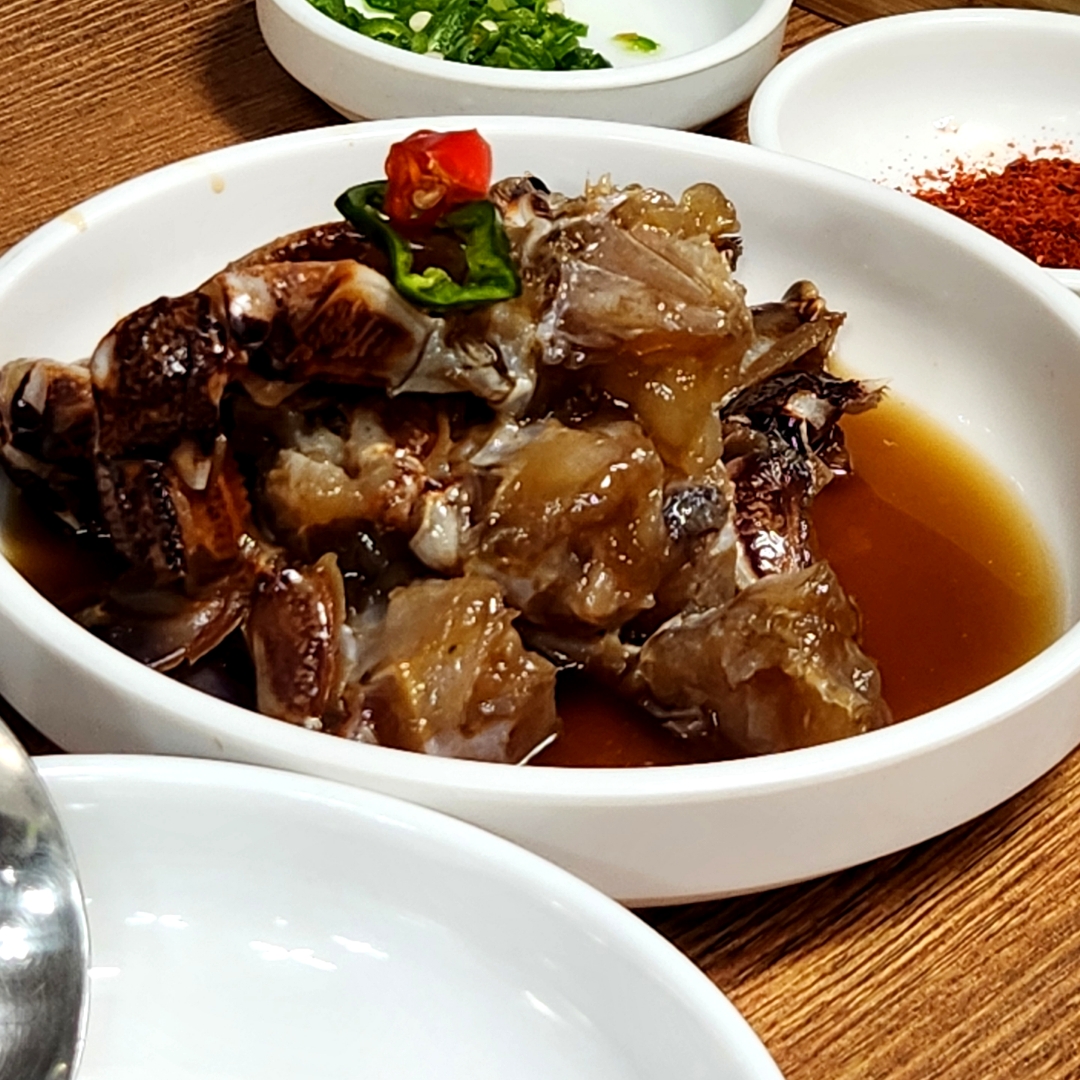
While black pork and seafood are the stars, Jeju's got a wealth of distinctive local dishes that're often born from its unique environment and farming traditions. Dive into these for a truly authentic taste of the island.
자매국수 (Jamae Guksu)
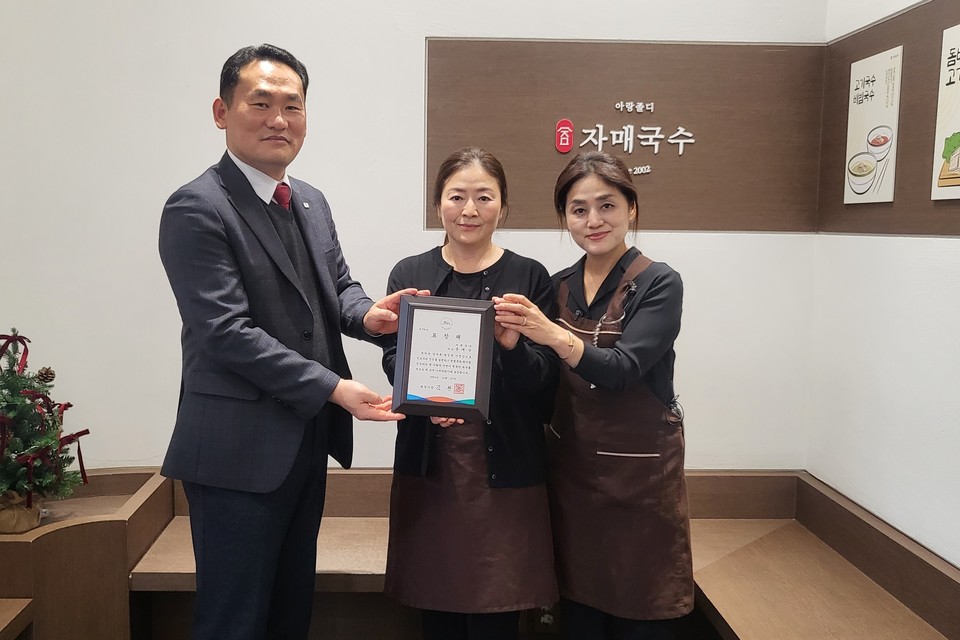
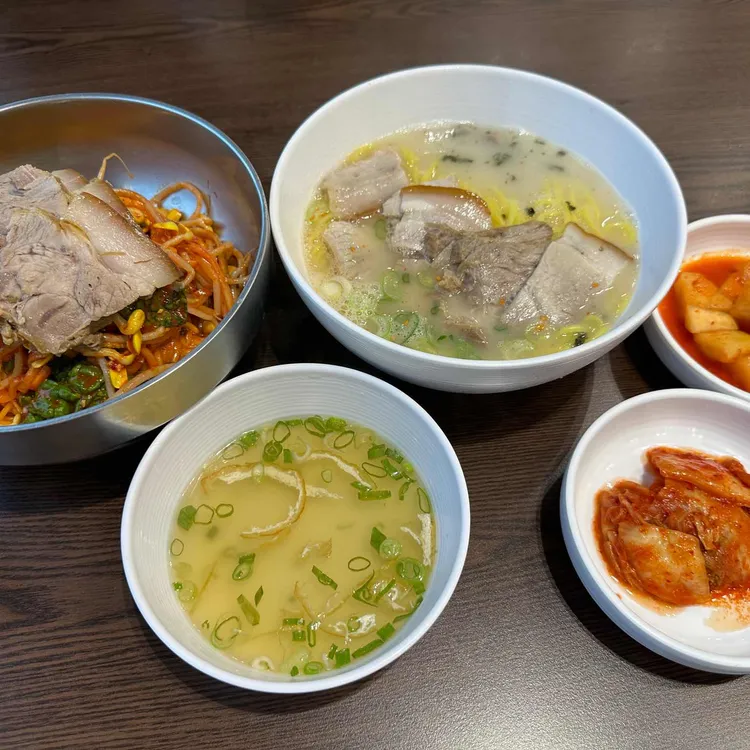
You absolutely can't visit Jeju without trying Gogi Guksu (고기국수) — it's a heartwarming noodle soup featuring thick wheat noodles in a rich, pork-bone broth, topped with slices of tender boiled pork. It's basically Jeju's answer to ramen, but with its own distinct charm. Jamae Guksu is one of the most famous spots for this dish, and it's frequently highlighted on TV programs like Yuksi Naegohyang for its deeply flavorful broth and generous portions.
- What to Order: The classic Gogi Guksu (고기국수). You can also try Bibim Guksu (비빔국수 – spicy mixed noodles) if you're craving something with a kick.
- Price Range: A bowl'll typically run you around ₩8,000 - ₩10,000, making it a very affordable and satisfying meal.
- How to Get There: Jamae Guksu's got a popular branch near Jeju International Airport and another in downtown Jeju City. Both are easily accessible by public transport or taxi.
- KoreaSpots Tip: Add a dash of their special spicy sauce (다대기) or some fresh green peppers on the side for an extra layer of flavor. It's perfect for a rainy day or after a long day of exploring!
Jeju's Cafe & Dessert Scene: A Sweet Escape

After all that savory deliciousness, you might be craving something sweet. And honestly? Jeju's cafe scene is vibrant and incredibly diverse, often incorporating local ingredients like Hallabong oranges, green tea, or peanuts. Many cafes are also architectural marvels with stunning ocean views — you're going to love this.
- Hallabong Delights: Look for cafes offering Hallabong ade, tarts, or even ice cream. This citrus fruit, unique to Jeju, is sweet, tangy, and incredibly refreshing.
- Green Tea Farms: Visit the Osulloc Tea Museum or one of the many green tea fields. Enjoy a serene cup of Jeju green tea or a delicious green tea ice cream.
- Peanut Ice Cream: Especially popular around Udo Island, Jeju's peanuts are famously sweet and nutty, making for a delightful ice cream topping.
General Jeju Food & Travel Tips
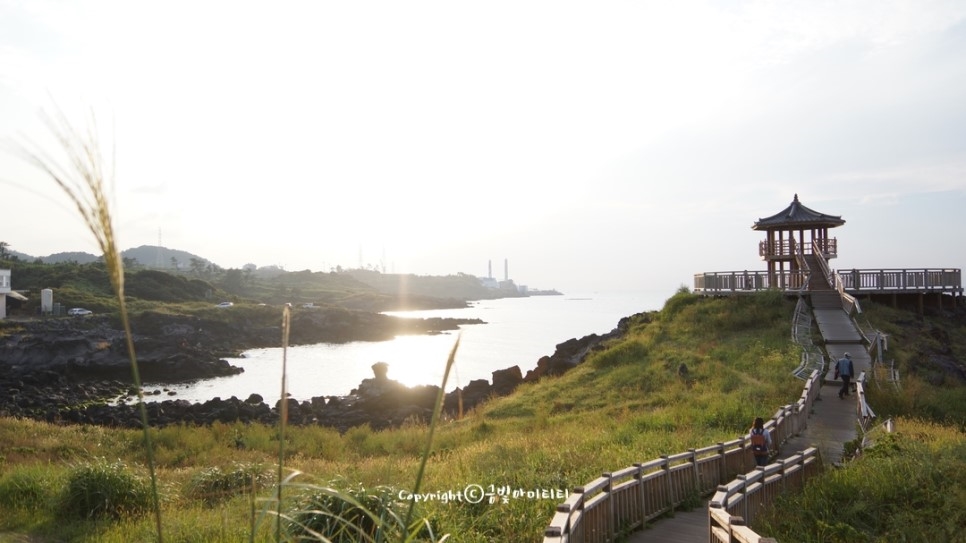
- Best Time to Visit: Spring (April-May) and Autumn (September-October) offer the most pleasant weather for exploring and dining. Seafood is fantastic year-round, but specific catches might be seasonal.
- Getting Around: Renting a car is highly recommended if you want to explore Jeju at your own pace, especially if you're planning to visit spots outside Jeju City or Seogwipo. Public buses are available but can be time-consuming for certain routes. Taxis are plentiful in major cities.
- Booking: For extremely popular restaurants like Donsadon, be prepared for a wait. Some higher-end restaurants might take reservations, but many local eateries operate on a first-come, first-served basis.
- Learn Basic Korean Phrases: While many places catering to tourists'll have English menus or staff, knowing a few basic phrases like "안녕하세요" (Annyeonghaseyo - Hello) and "감사합니다" (Gamsahamnida - Thank you) will always enhance your experience.
💡 AI Travel Tip
Planning your Jeju food adventure can be streamlined with AI tools! Here are some prompts to help you maximize your culinary journey:
- For Itinerary Planning: Use AI to integrate TV-verified restaurants into your daily travel plan.
Prompt example: "Create a 3-day Jeju itinerary focusing on food, including Donsadon, Chunsimine, and Jamae Guksu, optimized for travel by rental car. Include other popular tourist spots near each restaurant."
- For Menu & Dish Exploration: Get more details on specific dishes before you order.
Prompt example: "Explain the traditional way to eat Jeju Heukdwaeji Ohgyeopsal and suggest common side dishes to order at a Korean BBQ restaurant."
- For Dietary Needs: If you have specific dietary restrictions, AI can help you navigate menus.
Prompt example: "List 5 vegetarian-friendly traditional Jeju dishes and suggest specific restaurants known for these, or how to ask for them in Korean."
- For Restaurant Research: Find even more TV-verified spots or hidden gems based on your preferences.
Prompt example: "Find Saengsaeng Jeongbotong-verified restaurants in Jeju Island specializing in fresh abalone dishes, including their location and signature menu items."