Korean Pojangmacha Culture: Everything About Street Tent Bars
Ever found yourself watching a K-drama, captivated by a scene where the characters huddle under a vibrant red or orange tent, steam rising from bowls of spicy tteokbokki, sharing deep conversations (and deeper shots of soju) as the city lights blur around them? That, my friends, is a pojangmacha (포장마차), and it's not just a set prop – it's a living, breathing icon of Korean street culture, a place where stories unfold and worries momentarily fade.
For K-drama and K-pop fans yearning for an authentic taste of Korea beyond the glitz and glam, stepping into a pojangmacha is a rite of passage. It's where you truly feel the pulse of the city, rub shoulders with locals, and discover flavors that often surpass even the fanciest restaurants. At KoreaSpots, we're all about finding those verified, genuine experiences, and pojangmacha culture is as real as it gets – often featured on shows like Saengsaeng Jeongbotong and Saengsong Today for its undeniable charm and delicious offerings.
What Exactly is a Pojangmacha?
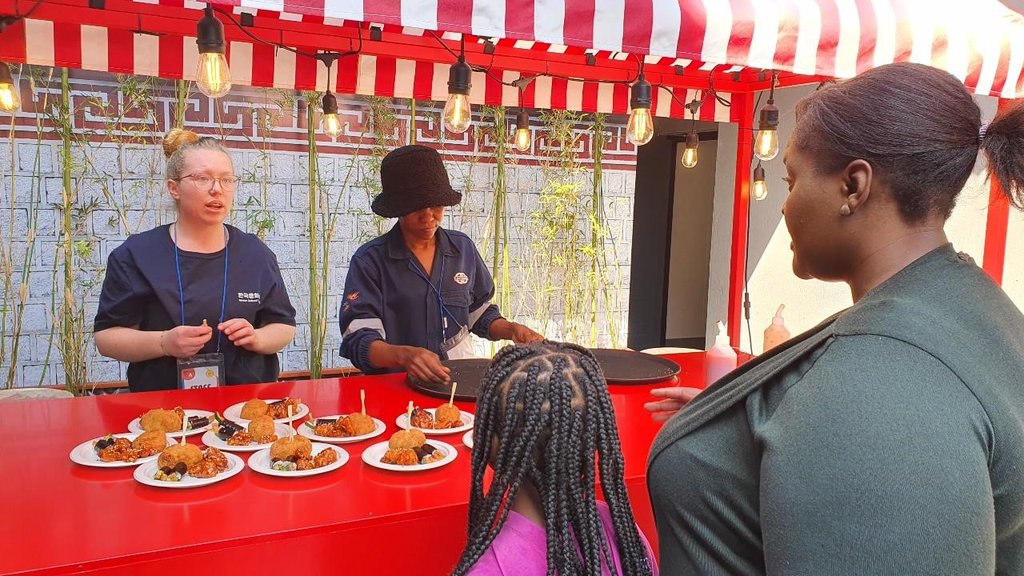
Literally translating to "covered wagon" or "covered cart," a pojangmacha is an outdoor street food stall or tent bar. Think of it as a pop-up eatery, often distinguished by its signature bright orange or red tarp covering, glowing warmly against the night sky. While some are simple carts selling quick bites, the quintessential pojangmacha experience involves sitting down on plastic stools around a small table, often sharing space with strangers, as you indulge in hearty food and drinks.
They're more than just places to eat; they're social hubs. Here's the thing – the formalities of a traditional restaurant totally dissolve. Businesspeople unwind after work, friends catch up, and even solo diners find comfort in the shared camaraderie. The sounds of clinking glasses, sizzling woks, and animated chatter fill the air, creating an unforgettable atmosphere that's both lively and intimate.
Why Pojangmacha? The Heartbeat of Korean Nightlife

The allure of the pojangmacha is multifaceted, deeply rooted in Korean social dynamics:
- Affordability & Accessibility: Compared to regular restaurants, pojangmacha often offer more budget-friendly options, making them perfect for a casual night out without breaking the bank.
- Comfort & Camaraderie: There's a unique sense of warmth and informality. The close quarters encourage conversation, even with strangers, fostering a real sense of community. It's a place where you can truly let your guard down.
- Unique Vibe: The outdoor setting, the steam, the neon lights, the bustling street sounds – it all creates an ephemeral, almost cinematic experience that you just can't replicate indoors.
- Emotional Release: In K-dramas, characters often seek out pojangmacha to drink away their sorrows or celebrate big wins. And here's the thing – that actually reflects real Korean culture. Pojangmacha serve as a genuine space for emotional expression and solace, often over a bottle (or two) of soju.
- Authentic Flavors: Many pojangmacha specialize in dishes that are traditional, hearty, and packed with bold flavors – often recipes passed down through generations.
Pojangmacha vs. Traditional Restaurants: A Quick Comparison
Understanding the differences can help you decide what kind of dining experience you're after:
| Feature | Pojangmacha | Traditional Restaurant |
|---|---|---|
| Atmosphere | Lively, informal, cozy, bustling street vibe | Formal to casual, often more private |
| Seating | Plastic stools, small tables, shared space | Chairs/booths, private tables |
| Menu | Focused on street food, comfort food, alcoholic beverages | Broader menu, often themed (BBQ, stews, etc.) |
| Price Range | Generally affordable to mid-range | Mid-range to high-end |
| Payment | Cash often preferred, some accept card | Cards widely accepted, cash also |
| Hygiene | "Street clean" – part of the authentic charm, may not be spotless | Higher hygiene standards expected |
| Service | Casual, quick, self-service elements | More structured, attentive service |
Pojangmacha Must-Try Dishes & Drinks
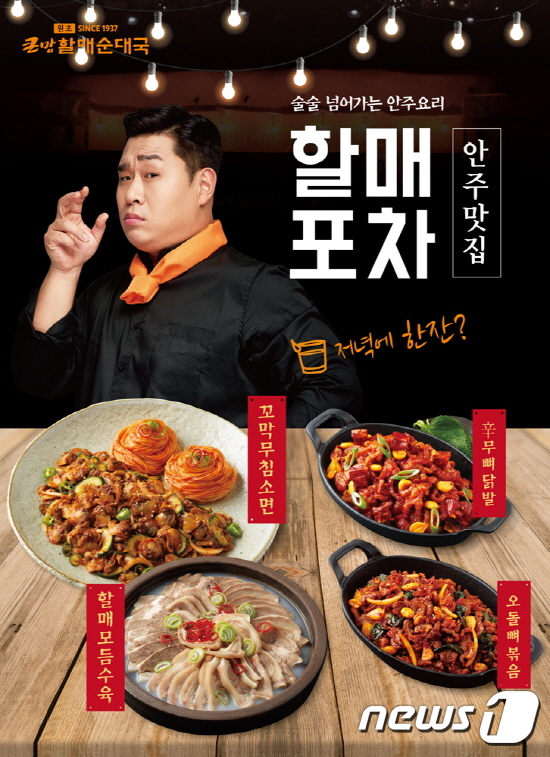
Your pojangmacha adventure isn't complete without sampling its iconic culinary delights. Many of these staples are frequently featured on food segments of shows like Yuksi Naegohyang, showcasing their local popularity and deliciousness.
The Food:
- Tteokbokki (떡볶이): Spicy, chewy rice cakes swimming in a glorious red gochujang sauce, often with fish cakes (eomuk), boiled eggs, and scallions. An absolute must-try!
- Odeng (오뎅)/Eomuk (어묵): Skewered fish cakes in a savory, hot broth. Perfect for warming up on a chilly night, especially after a shot of soju. You usually help yourself from the communal pot.
- Dakbal (닭발): Spicy chicken feet. Don't knock it till you try it! It's incredibly flavorful, chewy, and highly addictive for those who love a spicy kick. Often comes boneless or with bones.
- Gyeran-mari (계란말이): Rolled omelet, often with vegetables like carrots and scallions. A mild, comforting dish that balances out the spicier items perfectly.
- Jjukkumi Bokkeum (쭈꾸미 볶음): Stir-fried baby octopus with a fiery gochujang-based sauce. It's spicy, savory, and chewy – fantastic with a bowl of rice or just on its own.
- Gopchang (곱창)/Makchang (막창): Grilled or stir-fried beef or pork intestines. This might sound adventurous, but it's incredibly popular for its unique texture and rich, savory flavor. Often served with dipping sauces.
- Udon (우동): A simple yet comforting bowl of thick wheat noodles in a clear, savory broth, often garnished with fish cake, tempura bits, and scallions. It's the perfect way to cap off a night of drinking.
The Drinks:
- Soju (소주): The quintessential Korean alcoholic beverage. Distilled from rice or other grains, it's clear, potent, and the default drink at any pojangmacha. Best served chilled and poured into small shot glasses.
- Makgeolli (막걸리): A milky, slightly sweet, and tangy rice wine. Served in a traditional bowl, it's lighter in alcohol than soju and has a wonderfully rustic charm.
- Maekju (맥주): Beer! Often domestic lagers like Hite or Cass. Many people enjoy "Somaek" (소맥), a popular mix of soju and beer.
Where to Find Authentic Pojangmacha Spots in Seoul

While pojangmacha can pop up almost anywhere, certain areas are renowned for their clusters, offering a more concentrated and vibrant experience:
-
Jongno 3-ga (종로3가) Pojangmacha Alley:
This is arguably the most famous and iconic pojangmacha strip in Seoul. Located near the bustling Jongno 3-ga subway station, especially exits 3, 4, and 5, you'll find a lively alley lined with dozens of red and orange tents. It's a fantastic spot for people-watching and soaking in the authentic atmosphere. Many of these establishments have been operating for decades, and their menus feature all the classic pojangmacha staples, often highlighted on local TV shows for their authenticity.
- How to Get There: Take Seoul Subway Line 1, 3, or 5 to Jongno 3-ga Station. Exit 3, 4, or 5 will lead you directly into the heart of the pojangmacha action.
- Best Time to Visit: Weekday evenings (after 6 PM) for the post-work crowd, or weekend nights for a truly buzzing experience. They usually stay open very late.
-
Euljiro (을지로) Nostalgia:
Known for its retro, industrial vibe, Euljiro also boasts several hidden pojangmacha and old-school drinking spots. These tend to be a bit more scattered and less overtly "alley"-like than Jongno 3-ga, but they offer a more laid-back, local experience. Keep an eye out for tents tucked away in smaller alleys. Euljiro has seen a resurgence in popularity, attracting a younger crowd looking for unique, authentic experiences, often covered by travel segments in shows like Saengsong Today for its blend of old and new.
- How to Get There: Take Seoul Subway Line 2 or 3 to Euljiro 3-ga Station. Explore the back alleys around exits 9, 10, or 11.
- Best Time to Visit: Late evening, when the offices close and the lights of the old printing shops illuminate the streets.
-
Gwangjang Market (광장시장):
While technically a traditional market, Gwangjang Market offers a pojangmacha-like experience with its rows of food stalls under tarps. You can sit down on shared benches and enjoy a vast array of street foods like bindaetteok (mung bean pancake), mayak gimbap, and various stews, often with makgeolli. It's a daytime and early evening hotspot, frequently featured on global travel shows and local favorites like Saengsaeng Jeongbotong for its culinary heritage.
- How to Get There: Take Seoul Subway Line 1 to Jongno 5-ga Station (Exit 8) or Line 2 or 5 to Euljiro 4-ga Station (Exit 4).
- Best Time to Visit: Lunchtime through early evening (until around 9-10 PM), though some stalls stay open later.
-
Shinchon (신촌) & Hongdae (홍대):
These university districts, while more modern, still have a scattering of pojangmacha, particularly around the main streets and side alleys. They cater to a younger crowd and might have a slightly more contemporary feel, but the essence of the pojangmacha experience remains.
Practical Tips for Your Pojangmacha Adventure

- Cash is King (or Queen): While some modern pojangmacha accept cards, many prefer or even solely accept cash. It's always a good idea to carry smaller denominations (₩10,000 or ₩5,000 notes) for a smoother transaction.
- Embrace the Atmosphere: Pojangmacha are casual, and honestly? That's part of their charm. Don't expect white tablecloths or spotless floors. The rustic charm is part of the experience!
- Ordering Made Easy: If you don't speak Korean, pointing at other tables' dishes or using a translation app will work wonders. Most pojangmacha have a small, often handwritten menu. Don't be shy; the vendors are usually friendly and used to tourists.
- Price Range: Most individual dishes range from ₩5,000 to ₩20,000. Soju bottles are typically around ₩4,000-₩5,000. It's an affordable way to enjoy a meal and drinks.
- Best Time to Visit: Pojangmacha truly come alive after sunset. Most start setting up in the late afternoon and operate late into the night, often past midnight.
- "Anju" (안주) Culture: In Korea, it's customary to order food (anju) when you drink alcohol. Don't just order drinks; pairing them with delicious snacks is key to the pojangmacha experience.
- Sharing is Caring: Pojangmacha dishes are often meant for sharing, encouraging communal eating and bonding.
- Mind the Space: Tables are small and close together. Be mindful of your belongings and fellow diners.
A visit to a pojangmacha offers more than just a meal; it's a sensory immersion into the heart and soul of Korean culture. It's where you can truly connect with the local way of life, savor authentic flavors, and create memories that feel straight out of your favorite K-drama. So, next time you're in Korea, don't just walk past those glowing tents – step inside, pull up a stool, and let the magic unfold!
💡 AI Travel Tip
Planning your pojangmacha adventure can be even more exciting with a little help from AI. Use these prompts to tailor your experience:
- For a curated food tour: Ask an AI to create a walking tour that includes 3-4 different pojangmacha in a specific neighborhood (e.g., Jongno 3-ga), suggesting a specific dish and drink pairing at each stop.
- For dietary considerations: If you have dietary restrictions (e.g., vegetarian, no shellfish), ask for a list of common pojangmacha dishes that might fit, or Korean phrases to politely inquire about ingredients.
- For understanding local etiquette: Query about specific drinking etiquette or common courtesies expected when dining at a pojangmacha, to ensure a respectful and enjoyable experience.
Prompt example: "Plan a 3-hour pojangmacha hopping itinerary in Seoul's Jongno 3-ga area for two people, focusing on spicy and savory dishes. Suggest specific dishes, drinks, and estimated costs per stop. Also, include 3 essential Korean phrases to use."